3 Key Things to Check Before Signing a Contract
Essential checks and considerations before committing to any consumer contract or agreement.

Essential checks and considerations before committing to any consumer contract or agreement.
3 Key Things to Check Before Signing a Contract
Hey there! Ever felt that little knot in your stomach when someone slides a contract across the table? You know, that feeling of 'I should probably read this, but it looks so long and complicated'? You're not alone. In our daily lives, we encounter contracts all the time – whether it's signing up for a new phone plan, renting an apartment, buying a car, or even just agreeing to terms and conditions online. These documents, big or small, are legally binding agreements, and understanding what you're getting into is super important. Especially if you're in the US or Southeast Asia, where consumer laws can vary, a little bit of knowledge can save you a whole lot of headache and money down the line.
Think of a contract as a promise written down. Both parties agree to do certain things, and if one doesn't, there can be consequences. But here's the kicker: not all contracts are created equal, and sometimes, they're designed to benefit one party more than the other. That's why it's crucial to be a smart consumer and know what to look for before you put your signature on the dotted line. We're going to break down the three most important things you absolutely must check before committing to any consumer contract or agreement. This isn't just about avoiding scams; it's about empowering yourself to make informed decisions and protect your rights.
Understanding Contract Basics What Makes a Contract Valid
Before we dive into the nitty-gritty, let's quickly touch on what makes a contract, well, a contract. Generally, for a contract to be legally binding, it needs a few key elements:
- Offer and Acceptance: One party makes an offer (e.g., 'I'll sell you this phone for $500'), and the other party accepts it ('Okay, I'll buy it').
- Consideration: This is what each party gives up in the exchange. It doesn't have to be money; it could be a service, a promise, or an item. For example, you give money, and the seller gives you the phone.
- Intention to Create Legal Relations: Both parties must intend for the agreement to be legally enforceable. Casual promises between friends usually don't count.
- Capacity: Both parties must be legally capable of entering into a contract. This usually means they're of legal age and sound mind.
- Legality: The purpose of the contract must be legal. You can't have a contract to do something illegal.
Knowing these basics helps you identify if what you're looking at is even a real contract. Now, let's get to the three crucial checks.
Key Check 1 Read the Entire Contract Carefully Every Single Word
This might sound obvious, but it's probably the most overlooked step. We've all been there – scrolling through endless terms and conditions online and just clicking 'I Agree' without a second thought. Or, in a physical setting, feeling pressured by a salesperson to sign quickly. Resist that urge! Every single word in a contract matters, and what's not written can be just as important as what is.
Why Reading is Non-Negotiable Understanding Terms and Conditions
Think of the contract as the rulebook for your agreement. If you don't read the rules, how can you play the game effectively? Here's what you're looking for when you read:
- The Parties Involved: Who exactly are you contracting with? Is it the company you think it is? Are their full legal names and addresses listed?
- The Subject Matter: What exactly is being bought, sold, rented, or serviced? Be specific. If it's a product, is the model number, color, and specifications clearly stated? If it's a service, what are the exact deliverables?
- Payment Terms: This is huge. What's the total cost? Are there any hidden fees, recurring charges, or interest rates? What's the payment schedule? What happens if you miss a payment? Are there late fees? For example, when signing up for a new internet plan, check for installation fees, early termination fees, and what happens after any promotional period ends.
- Duration and Termination Clauses: How long is the contract for? Is it a fixed term or does it auto-renew? What are the conditions for early termination? Are there penalties for breaking the contract early? This is especially critical for things like gym memberships, phone contracts, or rental agreements.
- Warranties and Guarantees: What kind of assurances are you getting? Is there a warranty on a product? What does it cover, and for how long? What's the process for making a warranty claim?
- Dispute Resolution: What happens if something goes wrong? Does the contract specify arbitration, mediation, or court litigation? Which jurisdiction's laws apply? This is particularly relevant for international transactions or online services.
- Return and Refund Policies: If you're buying a product, what's the policy for returns, exchanges, or refunds? How long do you have? What condition must the item be in?
- Privacy Policy and Data Usage: Especially for online services, understand how your personal data will be collected, stored, and used. Can they share it with third parties?
Practical Tips for Thorough Contract Review
- Take Your Time: Don't feel rushed. If a salesperson is pressuring you, that's a red flag. Ask to take the contract home to review it.
- Highlight Key Sections: Use a highlighter or make notes on important clauses like payment, termination, and dispute resolution.
- Look for Fine Print and Asterisks: These often contain crucial details that can change the entire meaning of a clause.
- Don't Assume: If something isn't explicitly stated, don't assume it's included or excluded. Ask for clarification.
- Get Clarifications in Writing: If a representative tells you something verbally that contradicts the contract, get it in writing as an addendum or amendment. Verbal promises are hard to prove.
Let's consider a common scenario: signing up for a new mobile phone plan. You might be excited about the new phone, but the contract will detail things like your monthly data allowance, call rates, international roaming charges, the length of the contract (12 months, 24 months?), and crucially, the early termination fee. Imagine signing a 24-month contract only to find out six months later that you're moving to a country where the provider doesn't operate, and you're hit with a hefty fee to cancel. Reading the termination clause beforehand could have prepared you or even led you to choose a different plan.
Key Check 2 Understand All Financial Obligations and Hidden Fees
Money talks, and in contracts, it often whispers in the fine print. One of the biggest sources of consumer dissatisfaction and legal disputes comes from unexpected costs. Companies, unfortunately, sometimes rely on consumers not reading the details to sneak in charges that can significantly increase the overall cost of a product or service.
Uncovering Hidden Costs and Recurring Charges
When reviewing the financial aspects of a contract, you need to be a detective. Here's what to scrutinize:
- Initial Costs vs. Ongoing Costs: What's the upfront payment? Are there activation fees, setup fees, or down payments? Then, what are the recurring costs? Are they monthly, quarterly, or annually? Do these costs change after an introductory period? For example, many streaming services offer a free trial or a discounted first month, but the contract will specify the full price afterward.
- Taxes and Surcharges: Are taxes included in the advertised price, or will they be added on top? Are there any government-mandated surcharges or regulatory fees? This is common with utility bills and telecommunication services.
- Late Payment Penalties and Interest Rates: What happens if you're late with a payment? How much is the late fee? What's the interest rate on overdue balances? These can quickly snowball.
- Cancellation Fees and Early Termination Fees: As mentioned before, these can be substantial. Understand exactly how much it will cost you to get out of the contract before its term is up.
- Automatic Renewals and Price Increases: Does the contract automatically renew? If so, will the price remain the same, or is there a clause allowing for price increases upon renewal? Many subscription services operate this way.
- Usage-Based Charges: For services like mobile data, electricity, or even some software, are there charges based on usage that could exceed your expectations? What are the rates for going over your allocated limits?
- Delivery, Installation, and Maintenance Fees: If you're buying a large appliance or getting a service installed, are these costs included or extra? What about ongoing maintenance contracts?
Comparing Financial Terms Across Products and Services
To truly understand if you're getting a good deal, it's often helpful to compare the financial terms of similar products or services. Let's look at some examples:
Internet Service Providers (ISPs) Comparison (US & SEA)
When choosing an ISP, don't just look at the monthly advertised price. Consider:
- Provider A (e.g., Xfinity in US, PLDT in Philippines): Advertises $50/month for 200 Mbps. Contract details might reveal a 12-month promotional rate, then jumps to $75/month. There's a $100 installation fee and a $200 early termination fee if you cancel before 24 months. Equipment rental is an extra $15/month.
- Provider B (e.g., AT&T in US, Maxis in Malaysia): Advertises $60/month for 150 Mbps. No installation fee. Price is fixed for 24 months. Equipment rental included. Early termination fee is prorated based on remaining months.
- Provider C (e.g., T-Mobile Home Internet in US, StarHub in Singapore): Advertises $55/month for varying speeds (depending on network congestion). No contract, no installation fee, equipment included. Cancel anytime.
Recommendation: For flexibility and no hidden fees, Provider C looks appealing. If you need guaranteed speed and are willing to commit, Provider B might be better than A due to fixed pricing and prorated fees. Always calculate the total cost over the contract term, not just the monthly payment.
Gym Memberships Comparison (US & SEA)
Gyms are notorious for complex contracts:
- Gym A (e.g., Planet Fitness in US, Fitness First in Singapore): Advertises $10/month. Contract reveals an annual fee of $39.99, a $49 enrollment fee, and a 12-month minimum commitment with a $100 cancellation fee.
- Gym B (e.g., Equinox in US, Celebrity Fitness in Indonesia): Advertises $150/month. No enrollment fee, no annual fee. Month-to-month contract, cancel with 30 days' notice.
- Gym C (e.g., Local community gym): Advertises $30/month. No contract, no hidden fees. Pay as you go or monthly.
Recommendation: If you're unsure about long-term commitment, Gym C or B offer more flexibility despite potentially higher monthly rates. Gym A's low monthly fee can quickly add up with hidden annual and enrollment fees, plus a cancellation penalty.
The key takeaway here is to always ask for a full breakdown of all costs, including one-time, recurring, and potential penalty fees. Don't be afraid to ask for clarification on anything that seems unclear or ambiguous. A reputable company will be transparent about all charges.
Key Check 3 Understand Your Rights and Obligations and Seek Clarification
A contract isn't just about what the other party promises; it's also about what you're agreeing to do, and what your legal protections are. Understanding your rights and obligations is your shield and sword in any contractual agreement.
Knowing Your Responsibilities and Protections
Every contract imposes obligations on both sides. For you, these might include:
- Payment: Timely payment of agreed-upon fees.
- Usage Restrictions: For services or rented items, adhering to specific usage guidelines (e.g., not modifying rented property, using software only for personal use).
- Maintenance: For rented property, keeping it in good condition.
- Notice Periods: Providing adequate notice for cancellation or changes.
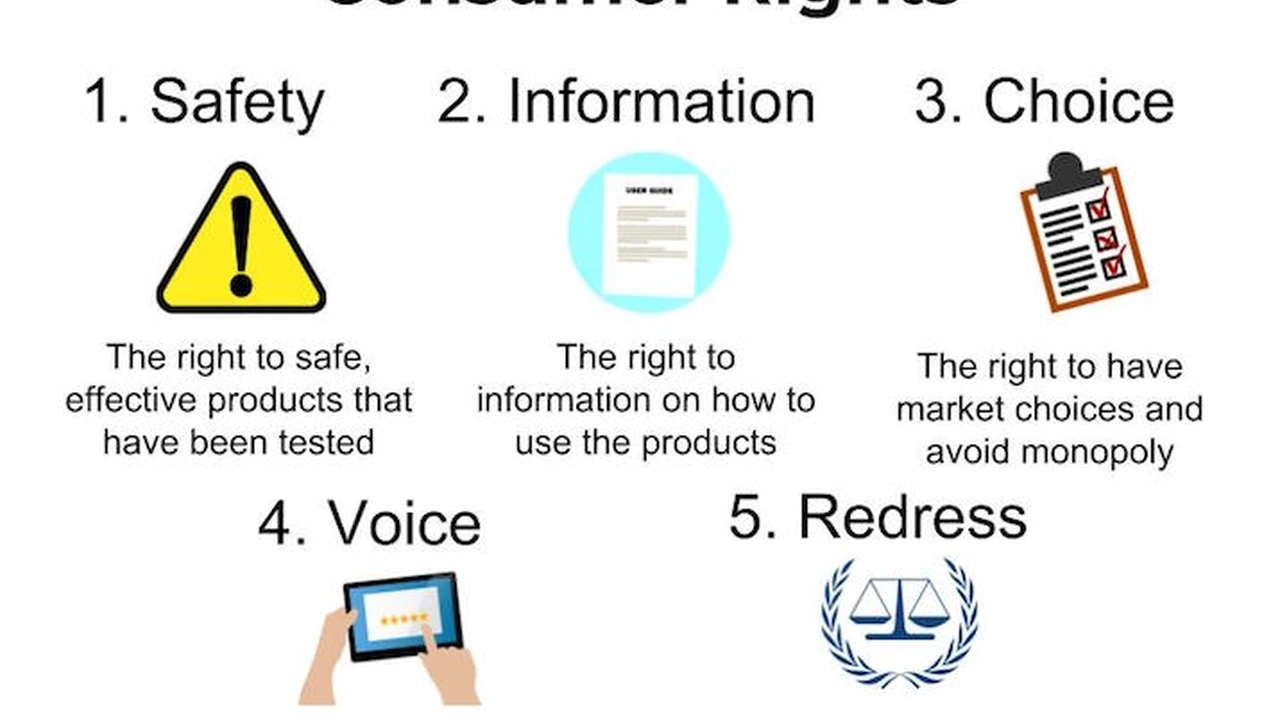
Equally important are your rights and protections. These are often dictated by consumer protection laws in your region, even if not explicitly stated in the contract. However, a good contract will reflect these or at least not contradict them.
- Right to a Product/Service as Described: The item or service you receive should match what was advertised and described in the contract.
- Right to Quality and Fitness for Purpose: Products should be of satisfactory quality and fit for the purpose they are intended. Services should be performed with reasonable care and skill.
- Right to Privacy: How your personal data is handled.
- Right to Fair Treatment: Protection against unfair contract terms or deceptive practices.
- Right to Redress: The ability to seek a remedy if the contract is breached by the other party.
When to Ask Questions and Seek Professional Advice
If anything in the contract is unclear, confusing, or seems unfair, it's your absolute right and responsibility to ask questions. Don't be intimidated. Here's when and how to seek clarification:
- Ask the Other Party: Start by asking the company representative to explain any confusing clauses. A good representative should be able to clearly articulate what each section means. If they can't, or if their explanation contradicts the written text, that's a major red flag.
- Don't Accept Vague Answers: If they say 'Don't worry about it' or 'That's just standard boilerplate,' push for a clear explanation.
- Request Amendments: If you disagree with a specific term, you can try to negotiate. For significant contracts (like buying a house or a car), it's common to negotiate terms. For smaller consumer contracts, it might be harder, but it never hurts to ask. Any agreed-upon changes should be written into the contract and initialed by both parties.
- Seek External Advice: For complex or high-value contracts, or if you feel uneasy, consider seeking advice from a legal professional or a consumer advocacy group. This is especially true for things like real estate purchases, significant loans, or business agreements.
Let's consider a scenario with a car purchase. You're buying a used car, and the contract includes an 'as-is' clause. This means you're buying the car in its current condition, and the seller isn't responsible for any defects that appear after the sale. If you don't understand this, you might assume you have some recourse if the engine dies a week later. However, if you read the 'as-is' clause and understand its implications, you might decide to get a pre-purchase inspection from an independent mechanic or negotiate a limited warranty from the dealer. This understanding protects you from future disappointment and unexpected repair costs.
Another example: signing up for a new streaming service. The contract might state that by agreeing, you grant them permission to use your viewing data for targeted advertising. If you're concerned about privacy, understanding this clause allows you to make an informed decision – perhaps choosing a different service or adjusting your privacy settings if available.
In both the US and Southeast Asian countries, consumer protection laws exist to safeguard individuals from unfair contract terms. For instance, in the US, the Federal Trade Commission (FTC) protects consumers from deceptive practices. In countries like Singapore, the Consumer Protection (Fair Trading) Act (CPFTA) allows consumers to seek redress against unfair practices. While these laws provide a safety net, being proactive by understanding your contract is always the best first line of defense.
So, the next time a contract lands in front of you, remember these three key checks: read every word, understand all financial obligations, and know your rights and responsibilities. Don't be afraid to ask questions, take your time, and if necessary, seek expert advice. Being a well-informed consumer is your superpower in the world of contracts!
:max_bytes(150000):strip_icc()/277019-baked-pork-chops-with-cream-of-mushroom-soup-DDMFS-beauty-4x3-BG-7505-5762b731cf30447d9cbbbbbf387beafa.jpg)