Strategies to minimize or eliminate common banking fees and save more money.
Strategies to minimize or eliminate common banking fees and save more money. Let's face it, bank fees can be a real pain. They chip away at your hard-earned cash, often when you least expect it. But here's the good news: with a little bit of knowledge and some smart habits, you can significantly reduce, or even completely eliminate, those pesky charges. This guide is all about empowering you to keep more of your money in your pocket, not in your bank's coffers.
Best Practices for Avoiding Bank Fees
Understanding Common Bank Fees What to Watch Out For
Before we dive into how to avoid them, let's first understand what kind of fees banks typically charge. Knowing these common culprits is the first step to sidestepping them. We're talking about everything from monthly maintenance fees to overdraft charges, and even ATM fees. Each one has its own set of triggers and, thankfully, its own set of avoidance strategies.
Monthly Maintenance Fees How to Get Them Waived
Ah, the monthly maintenance fee. This is probably the most common fee you'll encounter. Banks often charge this just for having an account with them. However, most banks offer ways to waive this fee. Typically, these include maintaining a minimum daily balance, setting up direct deposit, or having a certain number of transactions per month. For example, Chase Bank often waives its monthly service fee for checking accounts if you have a direct deposit of $500 or more, maintain a daily balance of $1,500, or have an average daily balance of $5,000 across linked accounts. Bank of America has similar requirements, often waiving fees for direct deposits of $250 or more or maintaining a minimum daily balance. In Southeast Asia, banks like DBS in Singapore or Maybank in Malaysia also have minimum balance requirements or direct deposit criteria to avoid monthly fees. It's crucial to check your specific bank's terms and conditions, as these can vary widely. Sometimes, simply asking your bank if they can waive the fee, especially if you're a long-standing customer, can work wonders.
Overdraft Fees How to Prevent Costly Mistakes
Overdraft fees are arguably the most frustrating and expensive fees. These occur when you spend more money than you have in your account, and the bank covers the transaction, then charges you a hefty fee for it. The average overdraft fee in the US can be around $35 per transaction! To avoid these, the simplest solution is to always keep track of your balance. Utilize mobile banking apps to check your balance frequently. Many banks offer overdraft protection, which links your checking account to a savings account or a line of credit. If you overdraw, funds are automatically transferred to cover the transaction, often for a much smaller fee or even free. For instance, Wells Fargo offers overdraft protection plans that can transfer funds from a linked savings account or credit card. Some banks, like Ally Bank, have even eliminated overdraft fees entirely, which is a fantastic feature to look for. In Southeast Asia, banks like OCBC in Singapore or BDO in the Philippines also offer similar overdraft protection services, though fees might vary. Opting out of overdraft protection for debit card transactions is another smart move. This means your card will simply be declined if you don't have enough funds, saving you from a fee.
ATM Fees How to Access Cash for Free
ATM fees can quickly add up, especially if you're frequently withdrawing cash from out-of-network machines. You might get hit with two fees: one from the ATM owner and another from your own bank. To avoid these, stick to your bank's ATMs. If your bank has a limited ATM network, consider switching to a bank with a wider network or one that reimburses ATM fees. Charles Schwab Bank, for example, reimburses all ATM fees worldwide. Ally Bank also offers ATM fee reimbursements. Many credit unions also participate in shared ATM networks, allowing their members to use thousands of ATMs without fees. In Southeast Asia, some banks have extensive ATM networks, and interbank ATM withdrawals within certain alliances might be free or incur lower fees. For instance, in Malaysia, MEPS network ATMs often have lower interbank fees. Always check if your bank is part of any ATM alliances or offers fee reimbursements.
Foreign Transaction Fees When Traveling Abroad
If you travel frequently, foreign transaction fees can be a significant drain. These are typically charged as a percentage of your transaction amount (often 1% to 3%) when you use your debit or credit card in a foreign currency. To avoid these, consider getting a travel-friendly credit card that waives foreign transaction fees. Many premium travel credit cards, like the Chase Sapphire Preferred or Capital One Venture Card, offer this benefit. Some debit cards, particularly from online banks like Charles Schwab or Ally Bank, also come with no foreign transaction fees. When withdrawing cash abroad, use a debit card that reimburses ATM fees and has no foreign transaction fees. This combination is a powerful money-saver. In Southeast Asia, some local banks offer multi-currency accounts or cards that can help mitigate these fees when traveling within the region or internationally.
Wire Transfer Fees How to Send Money Cost-Effectively
Sending money via wire transfer, especially internationally, can be expensive. Banks typically charge a flat fee for both outgoing and incoming wire transfers. For domestic wires, fees can range from $15 to $30, while international wires can cost $30 to $50 or more. To avoid or reduce these fees, consider alternative money transfer services. Services like Wise (formerly TransferWise), Remitly, or Xoom often offer lower fees and better exchange rates than traditional banks for international transfers. For domestic transfers, Zelle or Venmo can be free options for smaller amounts, though they might have limits. Always compare the fees and exchange rates of different services before initiating a wire transfer.
Smart Banking Habits Your Shield Against Fees
Beyond understanding the fees themselves, adopting smart banking habits is your best defense. These practices will not only help you avoid fees but also improve your overall financial health.
Regularly Monitor Your Account Balances and Transactions
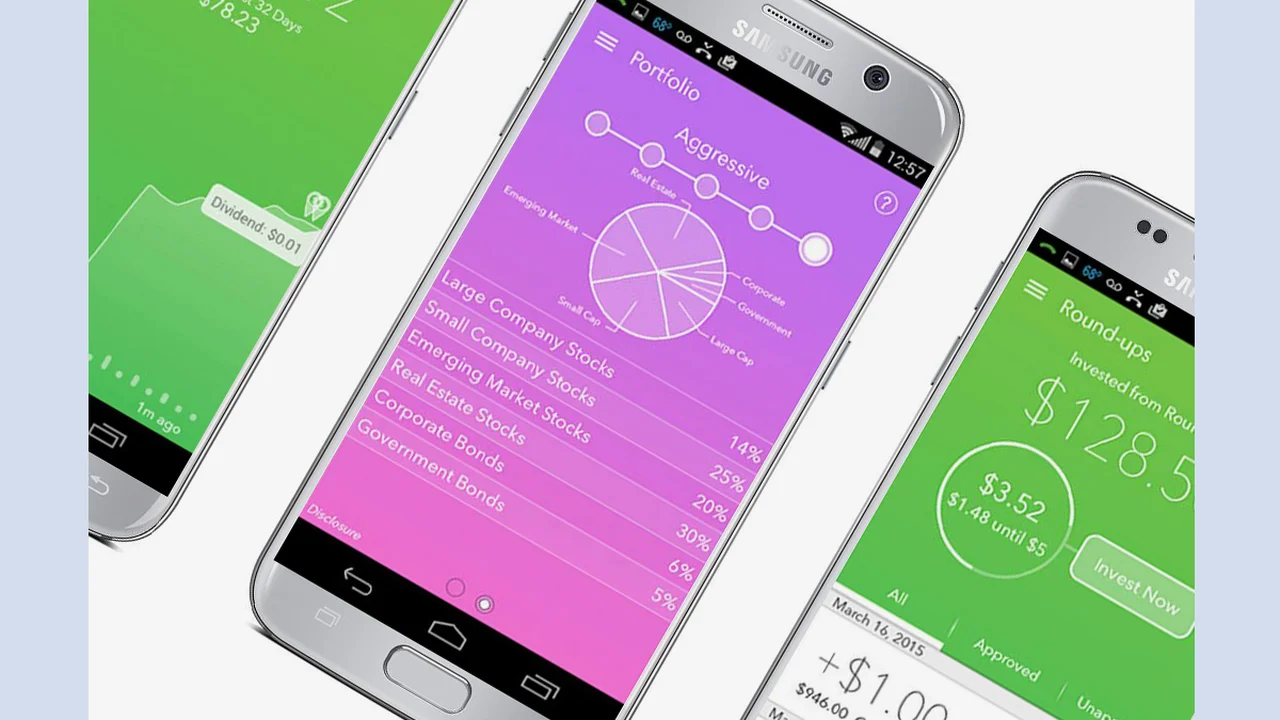
This might seem obvious, but it's incredibly effective. Make it a habit to check your bank account balances and review your transactions regularly. Most banks offer excellent mobile banking apps that make this super easy. Set up alerts for low balances or large transactions. This way, you'll always know how much money you have and can spot any unauthorized transactions or potential overdrafts before they happen. Many apps allow you to set custom alerts, like a notification when your balance drops below a certain threshold, which is a lifesaver for avoiding overdrafts.
Set Up Direct Deposit and Automatic Transfers
Direct deposit is often a key requirement for waiving monthly maintenance fees. If your employer offers it, take advantage! Beyond fee waivers, direct deposit ensures your money is in your account promptly. Automatic transfers are also fantastic. Set up automatic transfers from your checking account to your savings account right after your paycheck hits. This 'pay yourself first' strategy not only helps you save but can also help you maintain minimum balances in your checking account, further avoiding fees.
Utilize Online Banking and Mobile Apps
Embrace technology! Online banking and mobile apps offer a wealth of features that can help you manage your money and avoid fees. You can check balances, review transactions, pay bills, transfer funds, and even deposit checks remotely. Many apps also offer budgeting tools and spending insights. Using these tools regularly keeps you informed and in control, reducing the chances of unexpected fees.
Understand Your Bank's Fee Schedule
This is crucial. Every bank has a fee schedule, and it's usually available on their website or by request. Take the time to read it. Understand what triggers each fee and what the associated costs are. This knowledge empowers you to make informed decisions and actively avoid situations that lead to fees. Don't be afraid to ask your bank for clarification if something isn't clear.
Consider Switching Banks or Account Types
If your current bank is consistently charging you fees despite your best efforts, it might be time to consider switching. Many online-only banks, like Ally Bank, Discover Bank, or Chime, offer accounts with no monthly maintenance fees, no overdraft fees, and often ATM fee reimbursements. These banks typically have lower overheads, allowing them to pass those savings on to you. Even traditional banks often have different account types – some might be 'basic' or 'no-frills' accounts with fewer fees, especially if you meet certain criteria. For example, some banks offer student accounts or senior accounts with waived fees. Do your research and compare options. In Southeast Asia, digital banks are also emerging, offering competitive fee structures.
Comparing Banking Products and Services for Fee Avoidance
Let's get specific about some banking products and services that are excellent for avoiding fees. We'll look at a few popular options in the US and touch upon similar offerings in Southeast Asia.
Best Checking Accounts for Zero Fees
When it comes to checking accounts, the goal is simple: zero monthly fees, zero overdraft fees, and ideally, ATM fee reimbursements. Here are a few top contenders:
* Ally Bank Interest Checking Account: This is a fan favorite for a reason. Ally offers no monthly maintenance fees, no overdraft fees (they simply decline transactions if you don't have enough funds, or offer a free overdraft transfer from savings), and reimburses up to $10 in ATM fees per statement cycle. Plus, it earns a decent interest rate on your balance. It's an online-only bank, so you'll manage everything digitally. Great for tech-savvy individuals who don't need physical branches.
* Charles Schwab Bank High Yield Investor Checking Account: Another excellent choice, especially for travelers. This account has no monthly service fees, no foreign transaction fees, and reimburses all ATM fees worldwide. Yes, all of them! It's linked to a Schwab brokerage account (which you don't have to fund or use if you don't want to), but it's a fantastic option for fee-free banking and global ATM access. Ideal for frequent travelers or those who want maximum ATM flexibility.
* Discover Bank Cashback Debit Account: Discover offers a checking account with no monthly fees, no overdraft fees, and access to over 60,000 fee-free ATMs. A unique perk is that it offers 1% cashback on up to $3,000 in debit card purchases each month. This is a great option if you use your debit card frequently for everyday spending. It's also an online-only bank.
* Chime Checking Account: Chime is a popular choice for those looking for a mobile-first banking experience. It boasts no monthly fees, no overdraft fees (with their 'SpotMe' feature, which allows you to overdraw up to a certain limit without fees), and access to a large network of fee-free ATMs. Chime also offers early direct deposit, allowing you to get paid up to two days early. Best for those who prefer managing their finances entirely through a mobile app.
In Southeast Asia, while fully fee-free accounts might be less common from traditional banks, many are introducing digital-first accounts with reduced fees. For example, **DBS digibank** in Singapore offers various accounts with waived fees if certain conditions (like minimum balance or direct deposit) are met. **Maybank's MAE account** in Malaysia is a popular digital-only option with minimal fees. Always check the specific terms for digital accounts from local banks.
Credit Cards with No Annual Fees and No Foreign Transaction Fees
Credit cards can be a source of fees (annual fees, foreign transaction fees, late payment fees), but the right ones can save you money, especially when traveling.
* Chase Freedom Unlimited / Flex: These cards offer great cashback rewards (1.5% on all purchases for Unlimited, rotating 5% categories for Flex) and no annual fee. While they do have foreign transaction fees, they are excellent for everyday domestic spending without incurring annual charges.
* Capital One VentureOne Rewards Credit Card: This card has no annual fee and no foreign transaction fees, making it a solid choice for international travel. It earns 1.25 miles per dollar on every purchase, which can be redeemed for travel. A great entry-level travel card.
* Bank of America Travel Rewards Credit Card: Another no-annual-fee, no-foreign-transaction-fee option. It earns 1.5 points per dollar on all purchases, redeemable for travel credits. Good for those who bank with Bank of America.
* Deserve EDU Mastercard for Students: Specifically designed for students, this card has no annual fee and no foreign transaction fees. It also offers 1% cashback on all purchases. A fantastic option for students studying abroad or traveling.
For Southeast Asia, many local banks offer credit cards with no annual fees for the first year, or if you meet certain spending thresholds. Look for cards from **Citibank, HSBC, or Standard Chartered** in the region, as they often have competitive travel cards with reduced foreign transaction fees or promotional waivers.
Money Transfer Services for Lower Fees
When sending money, especially internationally, ditching traditional banks can save you a lot.
* Wise (formerly TransferWise): Wise is renowned for its transparent fees and excellent exchange rates for international money transfers. They use the mid-market exchange rate and charge a small, upfront fee. You can send money to over 80 countries. Ideal for regular international transfers.
* Remitly: Remitly focuses on remittances to specific countries, often offering competitive rates and various delivery options (bank deposit, cash pickup). They often have promotional rates for first-time users. Good for sending money to family abroad.
* Xoom (a PayPal service): Xoom allows you to send money, pay bills, and reload phones internationally. Fees vary by country and amount, but they can be competitive, especially if you already have a PayPal account. Convenient for those integrated into the PayPal ecosystem.
* Revolut / N26 (Digital Banks with Transfer Features): While primarily digital banks, Revolut and N26 (available in some parts of SEA and Europe, respectively) offer excellent international money transfer features with very low or no fees, often using interbank exchange rates. They are great for managing multiple currencies and making international payments.
Proactive Steps to Take Today
Don't wait for fees to hit your account. Take these proactive steps to safeguard your money.
Review Your Bank Statements Regularly
Seriously, make this a habit. Go through your statements with a fine-tooth comb. Look for any unfamiliar charges, recurring fees you might have forgotten about, or any fees that seem out of place. If you spot something, don't hesitate to contact your bank immediately. It's your money, and you have the right to understand every deduction.
Negotiate with Your Bank
Yes, you can negotiate with your bank! If you've been hit with a fee, especially an overdraft fee or a monthly maintenance fee, call customer service. Explain your situation, highlight your good banking history (if applicable), and politely ask if they can waive the fee as a one-time courtesy. Many banks are willing to do this, especially for loyal customers. It never hurts to ask!
Set Up Account Alerts
Most banks offer customizable alerts via email or text message. Set up alerts for:
* Low balance warnings (e.g., when your balance drops below $100)
* Large transactions (to spot potential fraud)
* Overdraft warnings (if your bank offers this before a fee is assessed)
* Direct deposit notifications (to confirm your paycheck arrived)
These alerts act as an early warning system, giving you time to react and prevent fees.
Automate Your Savings and Bill Payments
Automation is your friend. Set up automatic transfers to your savings account. Schedule automatic bill payments for all your recurring expenses. This ensures bills are paid on time, avoiding late payment fees, and helps you build your savings consistently. Just make sure you always have enough funds in your account to cover these automated payments.
Keep an Emergency Fund
An emergency fund is your ultimate shield against many bank fees, especially overdrafts. Having a buffer of three to six months' worth of living expenses in a separate savings account means you won't have to dip into your checking account and risk overdrawing if an unexpected expense pops up. This financial cushion provides peace of mind and protects you from costly mistakes.
By implementing these strategies and choosing the right banking products, you can significantly reduce the amount of money you lose to bank fees. It's all about being informed, proactive, and making smart choices with your finances.

:max_bytes(150000):strip_icc()/277019-baked-pork-chops-with-cream-of-mushroom-soup-DDMFS-beauty-4x3-BG-7505-5762b731cf30447d9cbbbbbf387beafa.jpg)