7 Common Scams and How to Avoid Them
Identify and protect yourself from the most prevalent consumer scams targeting individuals in the US and Southeast Asia.
Identify and protect yourself from the most prevalent consumer scams targeting individuals in the US and Southeast Asia.
7 Common Scams and How to Avoid Them
Hey there! Ever felt that nagging doubt when an offer seems too good to be true? Or maybe you’ve received a suspicious email that just didn’t sit right? You’re not alone. Scams are everywhere, and unfortunately, they’re getting more sophisticated. Whether you’re in the bustling cities of the US or the vibrant markets of Southeast Asia, scammers are always looking for new ways to trick people out of their hard-earned money or personal information. This article is all about helping you spot these sneaky tricks and arming you with the knowledge to protect yourself. We’ll dive into seven of the most common scams out there, give you real-world examples, and even compare some of the tools and services that can help keep you safe. Let’s get started!
Phishing Scams Understanding Email and Text Message Fraud
First up, let’s talk about phishing. This is probably one of the most widespread scams, and it’s all about tricking you into giving up sensitive information like usernames, passwords, or credit card details. Scammers usually do this by pretending to be a legitimate entity – think banks, government agencies, or even popular online services. They’ll send you an email or text message that looks super official, often with urgent language, trying to get you to click a link or download an attachment.
How Phishing Works and What to Look For
Imagine you get an email that looks exactly like it’s from your bank, saying there’s been suspicious activity on your account and you need to verify your details immediately by clicking a link. The link, however, doesn’t go to your bank’s actual website but to a fake one designed to steal your login info. Or maybe you get a text message, often called 'smishing,' claiming to be from a delivery company about a package, asking you to click a link to reschedule delivery. These links often lead to malware or sites that steal your data.
Key red flags include:
- Generic greetings like 'Dear Customer' instead of your name.
- Urgent or threatening language demanding immediate action.
- Poor grammar or spelling mistakes.
- Suspicious links: Hover over them (don't click!) to see the actual URL. If it doesn't match the sender's official domain, it's likely a scam.
- Requests for personal information that a legitimate organization would never ask for via email or text.
Protecting Yourself from Phishing Attacks
So, how do you fight back? Education is your best friend here. Always be skeptical of unsolicited communications. If you’re unsure, contact the organization directly using their official contact information (not the one provided in the suspicious message). Many email providers and web browsers have built-in phishing filters, but they aren't foolproof.
Consider using:
- Password Managers: Tools like LastPass (Free/Premium, around $36/year for Premium) or 1Password (around $36/year) can help. They auto-fill your credentials only on legitimate sites, making it harder to accidentally enter them on a fake site. They also encourage strong, unique passwords.
- Antivirus/Anti-malware Software: Products like Norton 360 (starts around $40/year) or Bitdefender Total Security (starts around $30/year) often include web protection features that can block access to known phishing sites.
- Two-Factor Authentication (2FA): Enable 2FA on all your important accounts. Even if scammers get your password, they’ll still need a second verification step (like a code from your phone) to access your account.
Tech Support Scams Recognizing Fake Help Desks
Ever had a pop-up appear on your screen saying your computer is infected and you need to call a number immediately? Or maybe you get a cold call from someone claiming to be from Microsoft or Apple, offering to fix a non-existent problem? That’s a tech support scam, and it’s designed to scare you into giving them remote access to your computer or paying for unnecessary 'fixes.'
How Tech Support Scams Operate
Scammers often use alarming pop-up messages that lock your browser or display fake error messages. They might even make your computer emit loud noises to heighten the panic. When you call the number, a 'technician' will try to convince you that your computer has severe issues, often by showing you legitimate system files and pretending they are viruses. Their goal is to get you to pay for expensive, useless software or services, or worse, install malware that gives them full control over your device and data.
In Southeast Asia, these scams might also involve individuals pretending to be from local internet service providers or popular tech brands, often targeting less tech-savvy individuals.
Defending Against Tech Support Fraud
Remember, legitimate tech companies will almost never contact you out of the blue to tell you about a problem with your computer. If you get a suspicious pop-up, close your browser (you might need to use Task Manager on Windows or Force Quit on Mac). Never give remote access to your computer to someone you don't know and trust. Never pay for services you didn't request.
Helpful tools and practices:
- Reputable Antivirus Software: Again, Norton 360 or Bitdefender can help block malicious pop-ups and prevent malware installation.
- Ad Blockers: Browser extensions like uBlock Origin (Free) can prevent many of the pop-ups that initiate these scams.
- Regular Software Updates: Keep your operating system and all software updated. These updates often include security patches that close vulnerabilities scammers exploit.
- Backup Your Data: Use cloud services like Google Drive (15GB free, then plans starting at $1.99/month for 100GB) or Dropbox (2GB free, then plans starting at $11.99/month for 2TB) or external hard drives to back up your important files. If your computer does get compromised, you won't lose everything.
Romance Scams The Heartbreaking Deception
This one is particularly cruel. Romance scams involve scammers creating fake online identities to gain a victim's affection and trust, eventually manipulating them into sending money. These scams often play on emotional vulnerabilities and can last for months or even years, leading to significant financial and emotional damage.
How Romance Scammers Lure Victims
Scammers typically frequent dating apps, social media sites, and even online forums. They create elaborate backstories, often claiming to be in the military, working overseas, or having some other reason why they can't meet in person. They'll shower you with attention, compliments, and declarations of love, building a strong emotional connection. Once they've hooked you, the 'emergencies' start: a sick family member, a business opportunity gone wrong, travel expenses to finally meet you, or even needing money for a visa. They'll pressure you to send money, often through untraceable methods like gift cards or wire transfers.
These scams are prevalent globally, with victims in the US and Southeast Asia often targeted by international crime rings.
Protecting Your Heart and Wallet from Romance Scams
The golden rule here is: never send money to someone you haven't met in person. Be wary of anyone who professes love very quickly or who constantly has excuses for why they can't meet. Do a reverse image search of their profile picture – scammers often use stolen photos. Ask lots of questions and look for inconsistencies in their stories. If they ask for money, it's a huge red flag.
Consider these precautions:
- Reverse Image Search Tools: Use services like Google Images or TinEye (both free) to check if their profile picture is used elsewhere online, especially on stock photo sites or other profiles.
- Video Calls: Insist on video calls. Scammers often refuse, claiming a broken camera or poor internet connection. If they refuse, be suspicious.
- Inform Friends/Family: Talk to trusted friends or family members about your online relationships. An outside perspective can often spot red flags you might miss.
- Report Suspicious Profiles: If you suspect a scammer, report their profile to the dating app or social media platform immediately.
Grandparent Scams and Emergency Scams The Urgent Plea
This scam preys on your love and concern for family members. Scammers impersonate a grandchild or another loved one in distress, claiming to be in an emergency situation and needing money immediately. The urgency and emotional manipulation make it hard for victims to think clearly.
How Emergency Scams Unfold
You might get a call, text, or email from someone claiming to be your grandchild. They'll say they're in trouble – arrested, in a car accident, stranded in a foreign country, or needing emergency medical care. They'll often ask you not to tell their parents or anyone else, citing embarrassment or fear. They'll demand money be sent quickly, usually via wire transfer, gift cards, or cryptocurrency, because these methods are hard to trace. The caller might even put someone else on the phone pretending to be a lawyer or police officer to add legitimacy.
These scams are common in both the US and Southeast Asia, often targeting elderly individuals who are more likely to respond to such emotional pleas.
Safeguarding Against Emergency Scams
The best defense is to verify the story. If you get such a call or message, try to contact the family member directly using a known phone number. Ask questions only the real family member would know. If you can't reach them, contact another family member to confirm. Never send money without verifying the situation first.
Practical steps:
- Establish a Family Code Word: Agree on a secret word or phrase with your family members that can be used to verify their identity in an emergency.
- Caller ID Verification: While caller ID can be spoofed, it's still a first line of defense. Be wary if the number doesn't match.
- Educate Elderly Family Members: Talk to your older relatives about these scams and how to react. Encourage them to always verify before acting.
- Block Unknown Numbers: Use call blocking features on your phone or through your service provider to reduce unsolicited calls.
Investment Scams The Promise of Quick Riches
Everyone wants to make a quick buck, and scammers know this. Investment scams promise high returns with little to no risk, often involving fake opportunities in cryptocurrency, foreign exchange, or even real estate. They create a sense of urgency and exclusivity to pressure you into investing.
How Investment Scams Entice Victims
These scams often start with unsolicited contact – a social media message, an email, or even a cold call. The scammer, often posing as a financial advisor or successful investor, will present a seemingly legitimate investment opportunity. They might show you fake charts, testimonials, or even give you small 'returns' initially to build trust. Once you invest a significant amount, they disappear with your money. Common types include:
- Ponzi Schemes: New investors' money is used to pay off earlier investors, creating the illusion of profitability.
- Cryptocurrency Scams: Promising huge returns on fake crypto investments or asking you to send crypto to a 'trading platform' that's actually a scam.
- Forex Scams: Similar to crypto, promising high returns on foreign exchange trading with fake platforms.
In Southeast Asia, these scams often leverage social media and messaging apps, with scammers posing as successful traders or gurus.
Protecting Your Finances from Investment Fraud
If an investment promises guaranteed high returns with no risk, it's almost certainly a scam. Legitimate investments always carry some risk. Always do your due diligence. Check if the person or company is registered with financial regulatory bodies (like the SEC in the US or local equivalents in Southeast Asia). Never feel pressured to invest quickly.
Tools and resources:
- Financial Regulatory Websites: In the US, check the SEC EDGAR database (free) or FINRA BrokerCheck (free) to verify financial professionals and firms. In Southeast Asia, look for similar regulatory bodies like the Securities Commission Malaysia (SCM) or the Securities and Exchange Commission (SEC) Philippines.
- Independent Financial Advisors: Consult with a legitimate, independent financial advisor before making any significant investment decisions.
- Research Online: Search for the company name plus 'scam' or 'review' to see if others have reported issues.
- Avoid Unsolicited Investment Offers: Be extremely wary of anyone contacting you out of the blue with an investment opportunity.
Online Shopping and Classified Scams Spotting Fake Deals
Online shopping is super convenient, but it's also a playground for scammers. These scams involve fake websites, non-existent products, or misleading classified ads designed to take your money without delivering the goods.
How Online Shopping Scams Deceive Buyers
Scammers create professional-looking fake websites that mimic legitimate retailers, often offering incredibly low prices on popular items. You pay for the item, but it never arrives, or you receive a counterfeit product. On classified sites (like Craigslist or local equivalents in SEA), scammers might list desirable items at low prices, ask for payment upfront (often through untraceable methods), and then disappear. They might also send fake payment confirmations or overpay with a fake check, asking you to refund the difference.
In Southeast Asia, social media marketplaces and local e-commerce platforms are often used for these scams, sometimes involving cash-on-delivery scams where a fake product is delivered.
Shopping Safely Online and Avoiding Classified Scams
Always be suspicious of prices that are significantly lower than market value. Check the website's URL for misspellings or unusual domains. Look for secure payment options (HTTPS in the URL, padlock icon). On classifieds, always meet in a public place, inspect the item before paying, and never pay with gift cards or wire transfers. Use reputable payment platforms that offer buyer protection.
Recommended practices and tools:
- Secure Payment Methods: Use credit cards or services like PayPal (free for buyers, fees for sellers) that offer buyer protection. Avoid wire transfers, gift cards, or cryptocurrency for purchases from unknown sellers.
- Website Verification Tools: Browser extensions like Web of Trust (WOT) (Free) can give you an idea of a website's reputation.
- Read Reviews: Check independent review sites like Trustpilot (free) for seller and website reviews.
- Official Retailer Apps: When shopping on major platforms, use their official apps rather than clicking links in emails or ads.
- Escrow Services: For high-value classified purchases, consider using a legitimate escrow service, though be wary of fake ones.
Lottery and Sweepstakes Scams The 'You've Won!' Trap
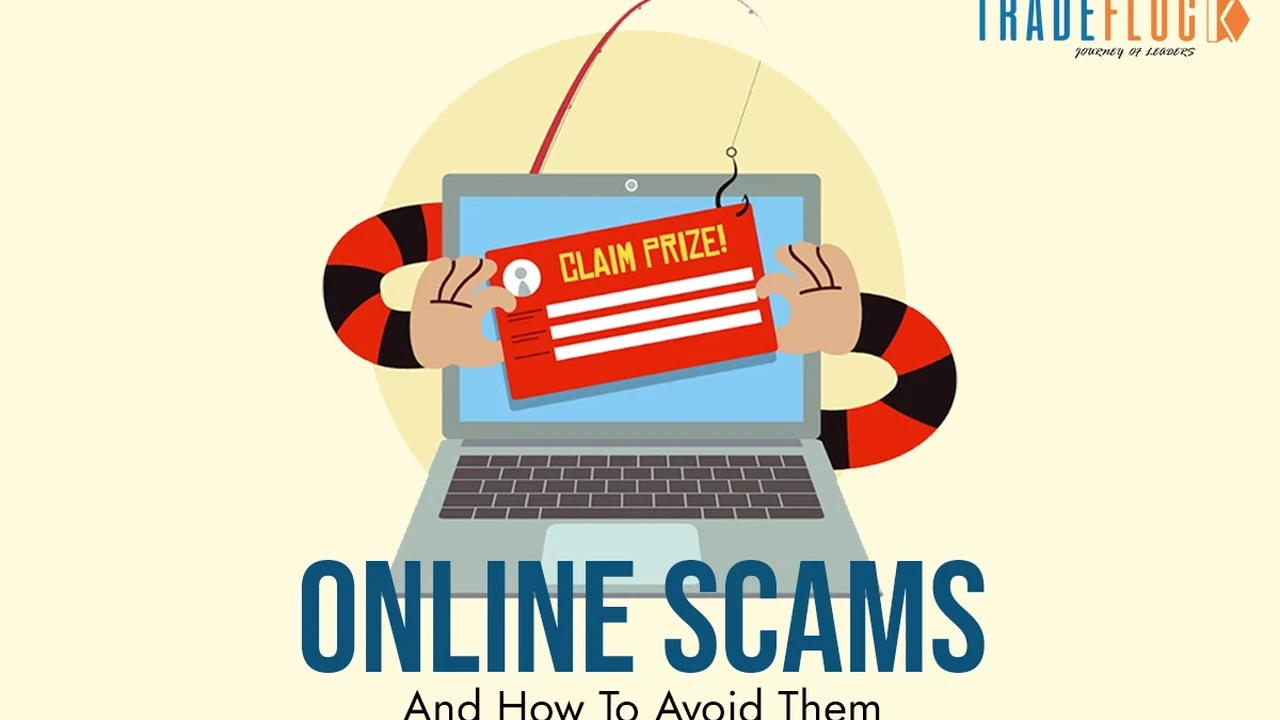
Who doesn't dream of winning the lottery? Scammers exploit this dream by telling you you've won a huge prize, but you need to pay a 'fee' or 'tax' to claim it. This is a classic advance-fee scam.
How Lottery Scams Hook Victims
You receive an email, letter, or phone call congratulating you on winning a lottery or sweepstakes you never entered. The prize money is usually a massive sum. To claim your winnings, you're told you need to pay a processing fee, taxes, or some other administrative cost. They might even send you a fake check, which will bounce after you've sent them money. The scammer's goal is to get you to send multiple payments, each time with a new excuse, until you realize you've been duped.
These scams are global, often originating from one country and targeting victims in another, including the US and various Southeast Asian nations.
Avoiding the 'You've Won' Deception
Here's the simple truth: you can't win a lottery or sweepstakes you didn't enter. And legitimate lotteries will never ask you to pay a fee to claim your winnings. If you're asked to pay money to receive a prize, it's a scam. Period. Never share personal financial information with unsolicited callers or emailers claiming you've won.
Key takeaways:
- No Entry, No Win: If you didn't buy a ticket or enter a contest, you can't win.
- Never Pay to Win: Legitimate lotteries deduct taxes and fees from your winnings, they don't ask for upfront payments.
- Verify the Source: If you're unsure, contact the official lottery or sweepstakes organization directly using their official contact information.
- Report It: Report these attempts to relevant authorities like the Federal Trade Commission (FTC) in the US or local consumer protection agencies.
Identity Theft and Data Breaches Protecting Your Personal Information
While not always a direct scam where you're tricked into sending money, identity theft is a massive problem often facilitated by scams or data breaches. This involves someone stealing your personal information (like your Social Security number, bank account details, or driver's license number) to commit fraud, open new accounts, or make unauthorized purchases.
How Identity Theft Occurs and Its Impact
Identity theft can happen in many ways: through phishing scams, malware on your computer, data breaches at companies where you have an account, physical theft of documents, or even 'dumpster diving' for discarded mail. Once a scammer has your information, they can open credit cards in your name, file fake tax returns, access your bank accounts, or even commit crimes under your identity. The consequences can be devastating, leading to financial ruin and a long, arduous process to clear your name.
Data breaches are a constant threat globally, affecting millions of individuals in both the US and Southeast Asia, making proactive protection crucial.
Fortifying Your Defenses Against Identity Theft
Protecting your identity requires vigilance. Be careful about what information you share online. Use strong, unique passwords for all your accounts. Monitor your financial statements and credit reports regularly for suspicious activity. Shred sensitive documents before discarding them. Be cautious about public Wi-Fi networks, which can be vulnerable to eavesdropping.
Essential tools and services:
- Credit Monitoring Services: Services like Experian IdentityWorks (starts around $9.99/month) or LifeLock (starts around $9.99/month) monitor your credit reports and alert you to suspicious activity. Many banks and credit card companies also offer free credit monitoring.
- Identity Theft Protection Services: These services, like IdentityForce (starts around $17.99/month) or IDShield (starts around $14.95/month), often include credit monitoring, dark web monitoring, and restoration services if your identity is stolen.
- Password Managers: As mentioned before, LastPass or 1Password help create and store strong, unique passwords, reducing your vulnerability if one site is breached.
- VPN (Virtual Private Network): When using public Wi-Fi, a VPN like NordVPN (starts around $3.29/month) or ExpressVPN (starts around $6.67/month) encrypts your internet traffic, protecting your data from snoopers.
- Freeze Your Credit: If you're concerned, you can freeze your credit with the major credit bureaus (Equifax, Experian, TransUnion in the US) for free. This prevents new credit accounts from being opened in your name.
Staying safe from scams is an ongoing effort. Scammers are always evolving their tactics, so staying informed is your best defense. Always be a little skeptical, take a moment to think before you act, and if something feels off, trust your gut. Your money and your personal information are valuable, so protect them fiercely!
:max_bytes(150000):strip_icc()/277019-baked-pork-chops-with-cream-of-mushroom-soup-DDMFS-beauty-4x3-BG-7505-5762b731cf30447d9cbbbbbf387beafa.jpg)