Best Credit Card Protection Features Reviewed
Compare the top credit card protection features that safeguard your finances from fraud and unauthorized use.
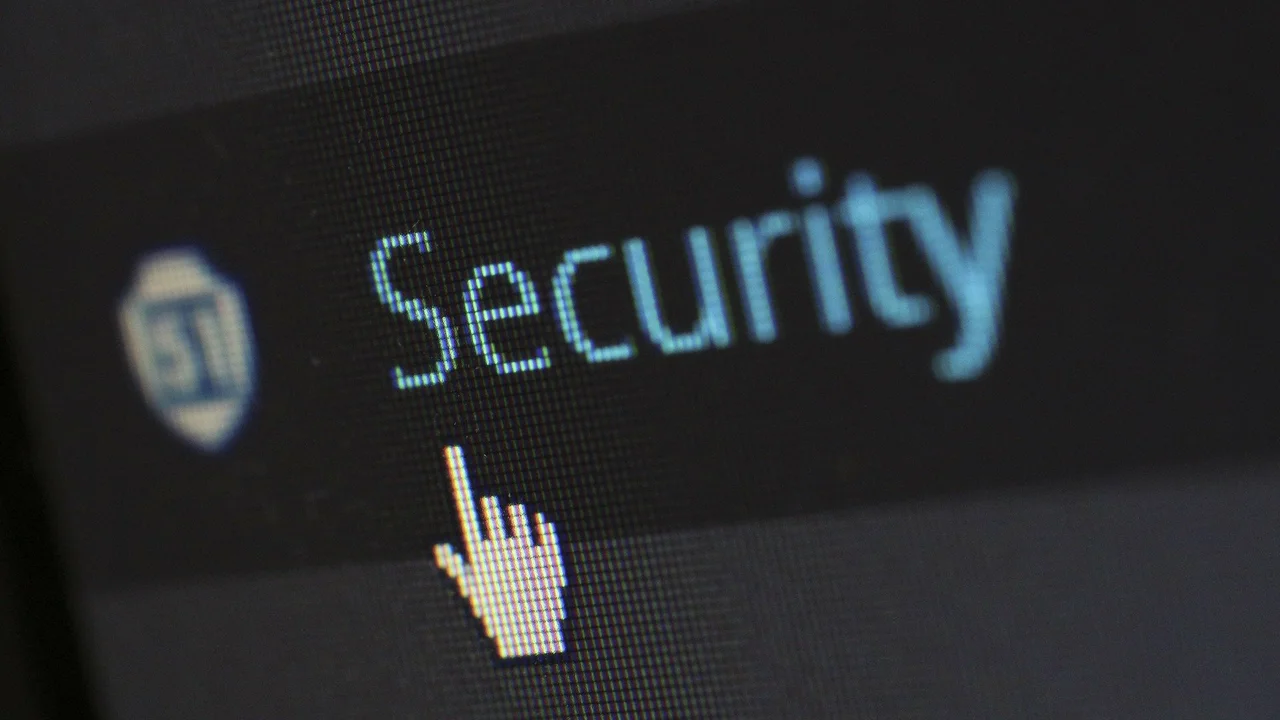
Compare the top credit card protection features that safeguard your finances from fraud and unauthorized use.
Best Credit Card Protection Features Reviewed
In today's digital age, credit cards are more than just a convenient way to pay; they're a gateway to your financial life. With the increasing sophistication of cybercriminals and fraudsters, having robust credit card protection features isn't just a luxury—it's a necessity. Whether you're swiping at a local store, shopping online, or traveling abroad, understanding the safeguards your credit card offers can make all the difference in protecting your hard-earned money and peace of mind. This comprehensive guide will dive deep into the best credit card protection features available, comparing different options, highlighting their real-world applications, and even recommending specific products to help you make an informed decision. We'll cover everything from fraud alerts and zero-liability policies to advanced security technologies like EMV chips and tokenization, ensuring you're equipped with the knowledge to choose the best card for your security needs.
Understanding Zero Liability Policy Your Ultimate Fraud Shield
One of the most fundamental and reassuring credit card protection features is the zero-liability policy. This policy essentially means that if your credit card is lost, stolen, or used fraudulently, you won't be held responsible for unauthorized charges. Most major credit card networks—Visa, Mastercard, American Express, and Discover—offer this protection, but it's crucial to understand the nuances. Typically, you need to report the unauthorized activity promptly. The exact timeframe can vary, so always check your cardholder agreement. For instance, some issuers might require reporting within 60 days of the statement date on which the fraudulent charge appeared. This policy is a game-changer because it shifts the financial burden of fraud from the consumer to the card issuer, providing an invaluable safety net. Imagine your card details are stolen and used for a lavish shopping spree; with zero liability, you're not on the hook for those charges. This feature is particularly vital for online transactions where card details are more susceptible to breaches. It's your first line of defense against financial loss due to fraud.
Real-time Fraud Alerts and Monitoring Instant Protection
Beyond zero liability, real-time fraud alerts and continuous monitoring are proactive measures that can prevent fraud before it escalates. Many credit card companies now offer services that monitor your account for suspicious activity 24/7. If an unusual transaction occurs—perhaps a large purchase in a foreign country when you haven't traveled, or multiple small, rapid transactions—you'll receive an immediate alert via text, email, or app notification. This allows you to quickly verify or deny the transaction. If you deny it, the card issuer can immediately block further unauthorized use. This feature is incredibly useful for catching fraud in its early stages, minimizing potential damage. For example, if a fraudster tries to make a purchase at an electronics store far from your usual spending habits, a real-time alert will notify you, allowing you to shut down the transaction before it goes through. Some advanced systems even use artificial intelligence and machine learning to detect patterns that deviate from your normal spending behavior, making them highly effective at identifying potential fraud. This proactive approach is a significant upgrade from simply reacting to fraudulent charges after they've occurred.
EMV Chip Technology Enhanced Point-of-Sale Security
The introduction of EMV chip technology (Europay, Mastercard, and Visa) revolutionized in-person credit card security. Unlike traditional magnetic stripe cards, which are relatively easy to clone, EMV chip cards generate a unique, encrypted code for each transaction. This makes it significantly harder for fraudsters to create counterfeit cards using stolen data. When you insert your chip card into a compatible terminal, the chip communicates securely with the terminal, authenticating the transaction. Even if a fraudster manages to steal your card data from a chip transaction, that data would be useless for creating a counterfeit card because the unique code changes with each purchase. This technology has drastically reduced counterfeit card fraud at physical points of sale. While magnetic stripes are still present for backward compatibility, always opt to use the chip reader when available. For instance, if you're buying groceries, inserting your chip card into the terminal provides a much higher level of security than swiping the magnetic stripe. This is a foundational security feature for any modern credit card.
Tokenization and Encryption Securing Online and Mobile Payments
For online and mobile payments, tokenization and encryption are paramount. Tokenization replaces your actual credit card number with a unique, randomly generated 'token' during a transaction. This token is useless if intercepted by fraudsters because it doesn't contain your real card details. Even if a merchant's system is breached, the stolen data would only be tokens, not actual card numbers, making it much harder for criminals to exploit. Encryption, on the other hand, scrambles your data as it travels across networks, making it unreadable to unauthorized parties. When you make an online purchase, your card details are encrypted before being sent to the merchant's server. Services like Apple Pay, Google Pay, and Samsung Pay heavily rely on tokenization to secure mobile transactions. When you add your card to these digital wallets, your card number is tokenized and stored securely on your device. When you pay, a unique, one-time token is sent to the merchant, not your actual card number. This significantly reduces the risk of your card details being compromised during online or in-app purchases. For example, using Apple Pay at an online retailer means your actual card number is never shared with the merchant, adding an extra layer of security.
Virtual Card Numbers for Online Shopping Privacy
Virtual card numbers (VCNs) offer an excellent layer of privacy and security for online shopping. A VCN is a temporary, single-use, or merchant-specific card number linked to your actual credit card account. When you use a VCN for an online purchase, your real credit card number is never exposed to the merchant. If the VCN is compromised, it can often be easily canceled without affecting your primary card. Some VCNs can even be set with spending limits or expiration dates, adding another layer of control. This feature is particularly useful for subscriptions or purchases from less familiar websites. For instance, if you're signing up for a free trial that requires card details, using a VCN with a low spending limit and a short expiration date can prevent unwanted charges after the trial ends. Several banks and credit card issuers offer this service. For example, Citi's Virtual Account Numbers allow you to generate a temporary card number for online purchases, providing an excellent way to protect your primary card details. Similarly, some privacy-focused fintech companies like Privacy.com offer robust virtual card services, allowing users to create multiple virtual cards with custom spending limits and merchant-specific usage. These services are invaluable for mitigating the risks associated with online data breaches.
Purchase Protection and Extended Warranty Benefits Added Value
While not strictly fraud prevention, purchase protection and extended warranty benefits are valuable credit card features that safeguard your purchases. Purchase protection typically covers eligible items against theft, damage, or loss for a certain period (e.g., 90 or 120 days) from the date of purchase. If your new smartphone is stolen a month after you bought it with your credit card, purchase protection might cover the cost of replacement. Extended warranty benefits, on the other hand, can extend the manufacturer's warranty on eligible items, often by an additional year. This means if your washing machine breaks down a few months after its original warranty expires, your credit card's extended warranty might cover the repair or replacement. These features add significant value and peace of mind, especially for expensive purchases. For example, if you buy a new laptop with a card like the Chase Sapphire Reserve or the American Express Platinum Card, you often get both purchase protection and extended warranty, saving you from unexpected repair or replacement costs. Always check the specific terms and conditions, as there are usually limits on coverage amounts and types of items.
Credit Lock and Freeze Features Taking Control
A credit lock or freeze is a powerful tool that gives you direct control over who can access your credit report. While not a credit card feature per se, it's a crucial protection against identity theft and new account fraud. A credit freeze restricts access to your credit report, preventing new credit accounts from being opened in your name. This is incredibly effective at stopping fraudsters from taking out loans or new credit cards using your stolen identity. A credit lock offers similar functionality but is often managed through a credit bureau's app or website, allowing for quicker locking and unlocking. While a credit freeze needs to be placed with each of the three major credit bureaus (Equifax, Experian, and TransUnion), it's now free to do so. For example, if you suspect your personal information has been compromised, immediately freezing your credit with all three bureaus is a critical step. This prevents anyone from opening new lines of credit in your name, even if they have your Social Security number. Many credit card issuers also offer their own card lock features, allowing you to instantly lock your specific credit card if it's misplaced or stolen, preventing any new transactions until you unlock it. This is different from a credit freeze, as it only affects that particular card, not your entire credit file. For instance, the Capital One Mobile App allows you to instantly lock and unlock your card with a single tap, providing immediate control.
Secure Messaging and Customer Support Direct Assistance
While often overlooked, robust secure messaging and responsive customer support are vital protection features. Being able to quickly and securely communicate with your credit card issuer about suspicious activity, billing errors, or lost/stolen cards is essential. Many banks offer secure messaging portals within their online banking platforms or mobile apps, ensuring that sensitive information is exchanged safely. Furthermore, 24/7 customer support lines are crucial for immediate assistance, especially in fraud situations. Imagine you're traveling abroad and your card is compromised; having access to a dedicated international support line can be a lifesaver. For example, American Express is renowned for its excellent customer service, often providing quick resolution to fraud claims and offering proactive support. Similarly, many premium cards offer dedicated concierge services that can assist with various issues, including security concerns. The ability to get help quickly and efficiently can significantly reduce the stress and potential damage caused by fraud or other card-related issues.
Recommended Credit Cards with Top-Tier Protection Features
When choosing a credit card, beyond rewards and interest rates, its security features should be a primary consideration. Here are a few cards known for their robust protection:
Chase Sapphire Preferred Card and Chase Sapphire Reserve Card
These cards from Chase are not only popular for their travel rewards but also for their strong security. Both offer zero liability protection, real-time fraud monitoring, and EMV chip technology. They also come with excellent purchase protection (covering eligible purchases for 120 days against damage or theft, up to $500 per claim and $50,000 per account) and extended warranty protection (adding an additional year to eligible manufacturer's warranties of three years or less). The Chase mobile app provides easy access to transaction history and allows for quick reporting of suspicious activity. The Reserve card, being a premium offering, often has even more robust travel-related protections, which indirectly contribute to overall financial security when abroad. The annual fees are $95 for the Preferred and $550 for the Reserve, but the benefits, including security, often outweigh the cost for frequent travelers and spenders.
American Express Platinum Card
American Express is often lauded for its customer service and fraud protection. The Platinum Card, a high-end travel card, offers comprehensive fraud protection with zero liability and advanced fraud detection systems. Amex also provides purchase protection (up to $10,000 per occurrence, $50,000 per year) and extended warranty (up to one additional year on eligible warranties of five years or less). A standout feature is their 'Spend Alerts' which notify you of transactions over a certain amount, and their 'Freeze Your Card' option in the app. Their customer service is available 24/7 and is known for being highly responsive in fraud situations. The annual fee is $695, reflecting its premium status and extensive benefits, including top-tier security.
Capital One Venture X Rewards Credit Card
The Capital One Venture X is another excellent option for travelers, combining great rewards with solid security. It features zero liability for unauthorized purchases, EMV chip technology, and robust fraud monitoring. Capital One's mobile app is particularly user-friendly, allowing you to instantly lock your card if it's lost or stolen, preventing any new transactions. They also offer virtual card numbers through their Eno assistant, providing an extra layer of security for online shopping. Purchase protection and extended warranty benefits are also included. The annual fee is $395, making it a competitive option in the premium travel card market with strong security features.
Discover it Cash Back
For a no-annual-fee option, the Discover it Cash Back card offers surprisingly strong security features. Discover is known for its 'Freeze It' feature, allowing cardholders to instantly freeze and unfreeze their account from their mobile app or online, preventing new purchases, cash advances, and balance transfers. They also offer zero liability protection, 24/7 fraud monitoring, and free Social Security number alerts if your SSN is found on thousands of risky websites. Discover also provides free FICO credit scores, helping you monitor your financial health. While it doesn't have the same level of purchase protection or extended warranty as premium cards, its core fraud prevention features are excellent for a no-fee card. The lack of an annual fee makes it an accessible option for many, proving that strong security doesn't always come with a high price tag.
Best Practices for Maximizing Your Credit Card Security
Even with the best protection features, your vigilance plays a crucial role. Here are some best practices to maximize your credit card security:
Regularly Monitor Your Statements and Transactions
Make it a habit to review your credit card statements and online transaction history frequently. Look for any unfamiliar charges, even small ones, as fraudsters often test cards with small purchases before making larger ones. The sooner you spot an unauthorized transaction, the quicker your card issuer can act.
Set Up All Available Alerts
Take advantage of all the alerts your credit card issuer offers. This includes transaction alerts for purchases over a certain amount, international transactions, or even gas station purchases. The more alerts you have, the faster you'll be notified of suspicious activity.
Use Strong, Unique Passwords and Two-Factor Authentication
For your online banking and credit card accounts, always use strong, unique passwords. Enable two-factor authentication (2FA) whenever possible. This adds an extra layer of security, requiring a second form of verification (like a code sent to your phone) in addition to your password.
Be Cautious with Public Wi-Fi
Avoid making online purchases or accessing your banking apps when connected to unsecured public Wi-Fi networks. These networks are often vulnerable to eavesdropping, making it easier for criminals to intercept your data. If you must use public Wi-Fi, consider using a Virtual Private Network (VPN).
Shred Old Credit Card Statements and Offers
Don't just toss old credit card statements, receipts, or pre-approved credit offers in the trash. These documents contain sensitive information that identity thieves can exploit. Always shred them before disposal.
Be Wary of Phishing Scams
Be extremely cautious of unsolicited emails, texts, or phone calls asking for your credit card details or personal information. Legitimate banks and credit card companies will rarely ask for this information via these channels. Always verify the sender and, if in doubt, contact your bank directly using a number from their official website.
Keep Your Software Updated
Ensure your operating system, web browser, and antivirus software are always up to date. Software updates often include critical security patches that protect against new vulnerabilities that fraudsters might exploit.
Use Virtual Card Numbers for New or Less Trusted Online Merchants
As discussed, virtual card numbers are excellent for protecting your primary card details, especially when shopping with a new online retailer or one you don't fully trust. This limits exposure of your actual card number.
By combining the robust protection features offered by credit card issuers with these best practices, you can significantly enhance your financial security and enjoy the convenience of credit cards with greater peace of mind. Staying informed and proactive is your best defense against credit card fraud and identity theft.
:max_bytes(150000):strip_icc()/277019-baked-pork-chops-with-cream-of-mushroom-soup-DDMFS-beauty-4x3-BG-7505-5762b731cf30447d9cbbbbbf387beafa.jpg)