5 Questions to Ask Before Taking Out a Personal Loan
Crucial questions to consider before committing to a personal loan to ensure it meets your needs.
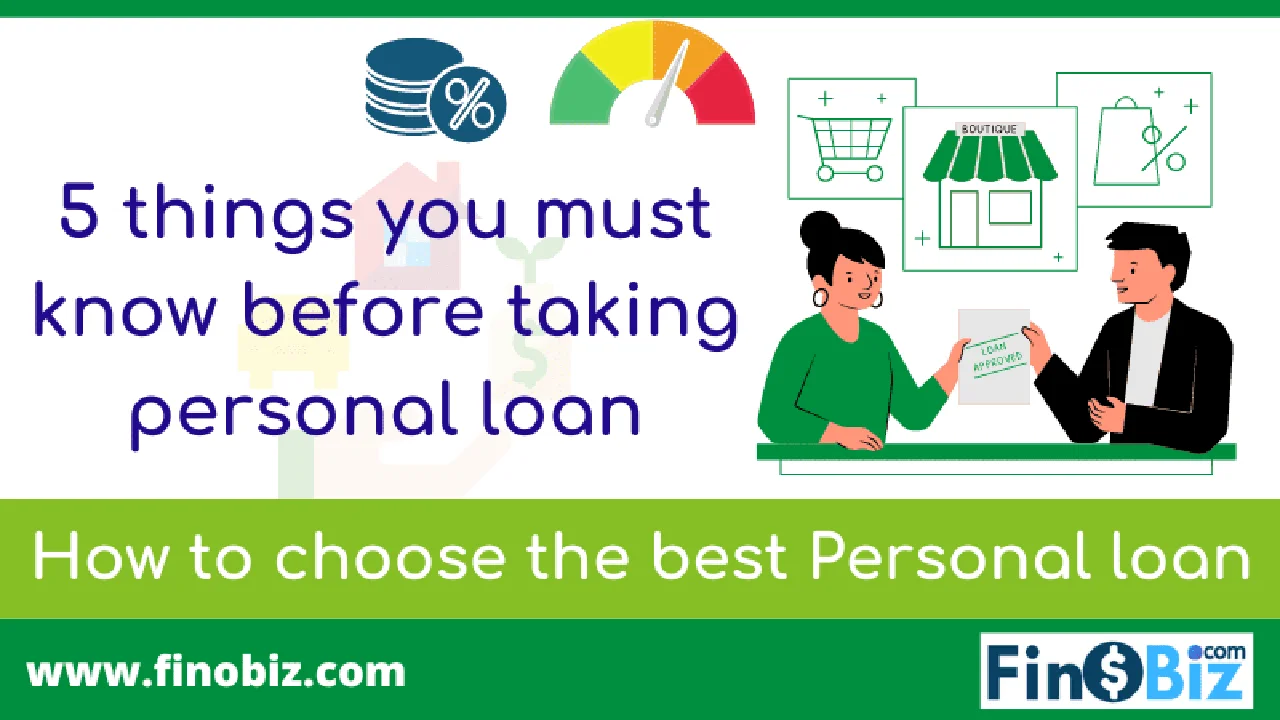
Crucial questions to consider before committing to a personal loan to ensure it meets your needs.
5 Questions to Ask Before Taking Out a Personal Loan
Hey there! Thinking about taking out a personal loan? Whether it's for consolidating debt, funding a home renovation, covering an unexpected expense, or even financing a big purchase, personal loans can be super helpful. But just like with any financial product, it's not a one-size-fits-all solution. Before you jump in and sign on the dotted line, there are some really important questions you should ask yourself and your potential lender. This isn't just about getting the money; it's about making sure you're making a smart financial move that won't cause you headaches down the road. We're going to dive deep into five crucial questions that will help you navigate the personal loan landscape, especially if you're in the US or Southeast Asia, where the financial markets can have their own unique quirks. Let's get started!
1. Why Do I Need This Personal Loan and What's My Repayment Plan? Understanding Your Purpose and Strategy
This might sound super basic, but it's probably the most important question. Seriously, take a moment and really think about why you need this money. Is it a 'want' or a 'need'? Personal loans are unsecured, meaning they don't require collateral like a car or house. This makes them flexible, but also means lenders are taking on more risk, which can translate to higher interest rates for you if your credit isn't stellar. Knowing your 'why' helps you determine if a personal loan is even the right tool for the job. For instance, if you're looking to consolidate high-interest credit card debt, a personal loan with a lower, fixed interest rate could be a fantastic move. You'd have one predictable monthly payment, which can be a huge relief. But if you're thinking about funding a lavish vacation, maybe saving up for it is a better, less costly option.
Once you've nailed down the 'why,' the next step is figuring out your repayment plan. This isn't just about hoping you can pay it back; it's about having a concrete strategy. How much can you realistically afford to pay each month without stretching your budget too thin? Remember, missing payments can seriously ding your credit score and lead to late fees. Consider your current income, your regular expenses, and any potential changes in your financial situation. A good rule of thumb is to aim for a loan term and monthly payment that fits comfortably within your budget, even if it means a slightly longer term. Don't just look at the monthly payment; calculate the total cost of the loan over its lifetime, including all interest and fees. Sometimes, a lower monthly payment over a longer term can mean paying a lot more in total interest. Be smart about it!
Common Personal Loan Uses and Alternatives:
- Debt Consolidation: Combining multiple high-interest debts (like credit cards) into one loan with a lower interest rate and a single monthly payment. This is often a great use case.
- Home Improvement: Funding renovations or repairs. While personal loans can work, consider home equity loans or lines of credit (HELOCs) if you own your home, as they often have lower interest rates.
- Medical Expenses: Covering unexpected medical bills.
- Major Purchases: Buying a car (though auto loans are usually better), appliances, or furniture.
- Wedding or Event Financing: While tempting, consider if this is truly a 'need' or if saving is a better option.
2. What's the Annual Percentage Rate APR and Are There Any Hidden Fees? Decoding the True Cost of Borrowing
Okay, this is where many people get tripped up. The interest rate is important, sure, but the Annual Percentage Rate (APR) is your best friend when comparing loans. The APR gives you the true annual cost of borrowing because it includes not just the interest rate, but also any other fees associated with the loan, like origination fees. An origination fee is a one-time charge that lenders deduct from your loan proceeds for processing your loan. It can range from 1% to 8% of the loan amount, so it's a significant factor!
Let's say Lender A offers you a loan with a 10% interest rate and a 5% origination fee, while Lender B offers a 12% interest rate with no origination fee. Without looking at the APR, Lender A might seem better. But once you factor in that origination fee, Lender A's APR could actually be higher. Always, always, ALWAYS compare APRs, not just interest rates. This is especially crucial in Southeast Asian markets where fee structures can sometimes be less transparent than in the US.
Beyond origination fees, you need to dig for other potential hidden costs. Ask about:
- Late Payment Fees: What happens if you miss a payment? How much will it cost you?
- Prepayment Penalties: Some lenders charge a fee if you pay off your loan early. This is less common with personal loans in the US but can pop up in some regions or with certain lenders. You want the flexibility to pay it off early if you can!
- Administrative Fees: Are there any monthly or annual maintenance fees?
- Application Fees: While less common for personal loans, some lenders might charge a non-refundable fee just to apply.
Get a clear breakdown of all potential costs before you commit. Don't be afraid to ask for a detailed disclosure statement. In the US, lenders are legally required to provide this information, but it's still good practice to ask specific questions. In Southeast Asia, regulations can vary, so being proactive is even more important.
Comparing Loan Offers: A Quick Example
Imagine you need a $10,000 loan for 3 years.
- Offer 1 (Lender X): 10% interest rate, 3% origination fee. APR might be around 11.5% (this is an estimate, actual calculation is complex).
- Offer 2 (Lender Y): 11% interest rate, no origination fee. APR would be 11%.
In this scenario, Lender Y, despite the higher interest rate, offers a lower APR because there's no origination fee. Always look at the APR!
3. What Are the Loan Terms and Repayment Flexibility? Understanding Your Commitment and Options
The loan term is how long you have to pay back the loan. Personal loan terms typically range from 1 to 7 years, though some can be shorter or longer. This directly impacts your monthly payment and the total interest you'll pay. A shorter term means higher monthly payments but less total interest paid over the life of the loan. A longer term means lower monthly payments but more total interest paid.
Think about what works best for your budget. Can you comfortably handle a higher monthly payment to save on interest, or do you need the breathing room of a lower payment, even if it means paying more overall? It's a balancing act, and there's no single right answer; it depends on your personal financial situation.
Beyond the term, inquire about repayment flexibility. What if your financial situation changes? Can you:
- Make extra payments without penalty? This is a huge plus, allowing you to pay off the loan faster and save on interest.
- Defer a payment in an emergency? Some lenders offer hardship programs or allow you to skip a payment (with interest still accruing, of course).
- Refinance the loan later? If interest rates drop or your credit score improves, you might want to refinance for better terms.
Also, understand the payment schedule. Is it monthly, bi-weekly, or something else? How are payments made – automatic deduction, online portal, mail? Make sure the process is convenient for you to avoid missing payments.
Loan Term vs. Total Cost: An Illustration
Let's say you borrow $15,000 at a 10% APR.
- 3-year term: Monthly payment around $484. Total interest paid: ~$2,424.
- 5-year term: Monthly payment around $318. Total interest paid: ~$4,080.
See how a longer term significantly increases the total interest, even with a lower monthly payment? It's a trade-off you need to be aware of.
4. What Are the Eligibility Requirements and How Will This Affect My Credit Score? Understanding Lender Criteria and Credit Impact
Before you even apply, it's smart to understand what lenders are looking for. This will save you time and protect your credit score from unnecessary hard inquiries. Common eligibility requirements include:
- Credit Score: Lenders typically have minimum credit score requirements. Generally, a good to excellent credit score (e.g., FICO score of 670+ in the US) will get you the best rates. If your score is lower, you might still qualify, but expect higher APRs.
- Income: Lenders want to see that you have a stable income to repay the loan. They'll often look at your debt-to-income ratio (DTI), which compares your monthly debt payments to your gross monthly income.
- Employment History: A stable job history is usually a plus.
- Residency: You'll need to be a legal resident of the country where you're applying.
- Age: You must be at least 18 years old (or 21 in some regions).
Many lenders offer a 'pre-qualification' process that involves a soft credit inquiry. This lets you see potential rates and terms without impacting your credit score. Only when you formally apply will a hard inquiry be made, which can temporarily ding your score by a few points. It's a good idea to pre-qualify with a few different lenders to compare offers without commitment.
Now, let's talk about your credit score. Taking out a personal loan can affect your credit in several ways:
- Hard Inquiry: As mentioned, the application itself causes a small, temporary dip.
- Credit Mix: Adding an installment loan (like a personal loan) to your credit report, especially if you primarily have revolving credit (like credit cards), can positively impact your credit mix, which is a factor in your score.
- Payment History: Making on-time payments consistently will boost your score significantly. This is the most important factor!
- Credit Utilization: If you use the personal loan to consolidate credit card debt, paying off those cards will lower your credit utilization ratio, which is great for your score.
Be mindful of how this loan fits into your overall credit profile. Don't take on more debt than you can handle, even if it seems to offer a short-term credit boost.
Credit Score Tiers and Expected APRs (US Example, Varies by Lender):
- Excellent (780-850): APRs typically 6-12%
- Good (670-779): APRs typically 10-20%
- Fair (580-669): APRs typically 18-30%+
- Poor (300-579): May struggle to qualify, or face very high APRs (30-36% is common for subprime).
These are general ranges; actual rates depend on the lender, loan amount, and term.
5. Which Lenders Offer the Best Personal Loan Products for My Situation? Comparing Top Providers and Their Offerings
This is where you put all your research into action! Don't just go with the first offer you get. Shop around and compare. The personal loan market is competitive, with options from traditional banks, credit unions, and online lenders. Each has its own strengths and target audience.
Top Personal Loan Providers (US Market Focus, but principles apply globally):
A. Online Lenders: Speed and Convenience
Online lenders have really shaken up the personal loan space. They often offer quick application processes, fast funding, and competitive rates, especially for those with good credit. They also tend to be more flexible with credit score requirements than traditional banks, sometimes offering options for those with fair credit.
- LightStream:
- Best For: Borrowers with excellent credit (typically 700+ FICO) looking for low rates and a wide range of loan purposes.
- Key Features: Offers some of the lowest APRs in the industry. No origination fees, no prepayment penalties. Loan amounts from $5,000 to $100,000. Terms from 24 to 84 months.
- Use Cases: Debt consolidation, home improvement, medical expenses, even adoption or fertility treatments.
- Pricing Example: For a borrower with excellent credit, a $10,000 loan for 36 months could have an APR as low as 6.99% (with autopay). Total repayment: ~$11,100.
- Pros: Very low rates for top-tier credit, no fees, flexible loan purposes, quick funding.
- Cons: Strict credit requirements, no pre-qualification option (hard inquiry upfront).
- SoFi:
- Best For: High-income, good-to-excellent credit borrowers, often with a focus on career growth.
- Key Features: Competitive fixed rates, no origination fees, no prepayment penalties, unemployment protection (can pause payments if you lose your job). Loan amounts from $5,000 to $100,000. Terms from 24 to 84 months.
- Use Cases: Debt consolidation, home improvement, major purchases.
- Pricing Example: For a borrower with good credit, a $15,000 loan for 60 months could have an APR around 9.99% (with autopay). Total repayment: ~$17,900.
- Pros: Strong member benefits, unemployment protection, no fees, competitive rates.
- Cons: Can have higher minimum credit score requirements than some other online lenders.
- Upstart:
- Best For: Borrowers with fair to good credit, or limited credit history, as they use alternative data points (education, job history) in addition to FICO.
- Key Features: Loan amounts from $1,000 to $50,000. Terms of 3 or 5 years. Origination fees (0-8%) apply.
- Use Cases: Debt consolidation, unexpected expenses, small business funding.
- Pricing Example: For a borrower with fair credit, a $5,000 loan for 36 months could have an APR around 20% (including origination fee). Total repayment: ~$5,900.
- Pros: More accessible for those with less-than-perfect credit, fast funding.
- Cons: Higher APRs for lower credit scores, origination fees.
B. Traditional Banks: Established Presence and Relationship Banking
Your local bank might be a good option, especially if you have an existing relationship with them. They often offer competitive rates to their loyal customers and can provide in-person support.
- Wells Fargo:
- Best For: Existing Wells Fargo customers with good credit.
- Key Features: Loan amounts from $3,000 to $100,000. Terms from 12 to 84 months. No origination fees or prepayment penalties.
- Use Cases: Debt consolidation, home improvement, large purchases.
- Pricing Example: For a customer with good credit, a $20,000 loan for 48 months could have an APR around 11.5%. Total repayment: ~$24,800.
- Pros: Established lender, potential rate discounts for existing customers, in-person support.
- Cons: May have stricter credit requirements than some online lenders, not always the lowest rates.
- Citibank:
- Best For: Existing Citibank customers with strong credit.
- Key Features: Loan amounts from $2,000 to $50,000. Terms from 12 to 60 months. No origination fees or prepayment penalties.
- Use Cases: Debt consolidation, unexpected expenses.
- Pricing Example: For a customer with excellent credit, a $10,000 loan for 36 months could have an APR around 8.99%. Total repayment: ~$11,400.
- Pros: Reputable bank, competitive rates for good credit, potential for relationship discounts.
- Cons: Limited loan amounts compared to some, potentially stricter eligibility.
C. Credit Unions: Member-Focused and Often Lower Rates
Credit unions are non-profit organizations, which often means they can offer lower interest rates and more flexible terms than traditional banks, especially for members. You usually need to be a member to apply, which might involve living in a certain area or working for a specific employer.
- Navy Federal Credit Union:
- Best For: Military members, veterans, and their families.
- Key Features: Loan amounts from $250 to $50,000. Terms up to 60 months. Very competitive rates, often lower than banks. No origination fees.
- Use Cases: Any personal need, debt consolidation, emergency funds.
- Pricing Example: For a member with good credit, a $10,000 loan for 36 months could have an APR as low as 7.49%. Total repayment: ~$11,150.
- Pros: Excellent customer service, very low rates, flexible terms, member-focused.
- Cons: Membership eligibility required.
- Alliant Credit Union:
- Best For: Anyone who can join (easy to qualify for membership) looking for competitive rates.
- Key Features: Loan amounts from $1,000 to $50,000. Terms up to 60 months. Competitive fixed rates. No origination fees.
- Use Cases: Debt consolidation, home improvement, major purchases.
- Pricing Example: For a member with good credit, a $15,000 loan for 48 months could have an APR around 8.99%. Total repayment: ~$17,800.
- Pros: Strong online presence, competitive rates, easy membership.
- Cons: Not as many physical branches as traditional banks.
Considerations for Southeast Asian Markets:
While the core questions remain the same, the landscape in Southeast Asia can differ. Here are some additional points:
- Local Banks vs. Digital Lenders: Traditional banks like DBS (Singapore), Maybank (Malaysia), BDO (Philippines), or Bangkok Bank (Thailand) are major players. However, digital lenders and fintech companies are rapidly growing, offering faster approvals and sometimes more flexible criteria, similar to US online lenders. Examples include Grab Financial (across SEA), Funding Societies (SME loans, but personal loan arms exist), and various local peer-to-peer lending platforms.
- Interest Rate Regulations: Some countries in SEA have caps on personal loan interest rates, which can be beneficial. Always check local regulations.
- Credit Scoring Systems: Credit scoring systems might be less mature or different from the FICO model used in the US. Lenders might rely more on income stability, employment history, and bank statements.
- Collateral: While personal loans are generally unsecured, some lenders in SEA might offer 'secured personal loans' where you pledge an asset (like a car or property) for a lower interest rate. Be very cautious with these.
- Sharia-Compliant Financing: In Muslim-majority countries like Malaysia and Indonesia, you might find Sharia-compliant personal financing options that avoid interest (riba) and instead use profit-sharing or cost-plus-profit models.
Always compare at least 3-5 offers from different types of lenders (online, bank, credit union) to ensure you're getting the best possible rate and terms for your specific financial situation. Use pre-qualification tools whenever available to avoid multiple hard inquiries on your credit report.
Taking out a personal loan is a significant financial decision. By asking these five crucial questions and doing your homework, you'll be much better equipped to choose a loan that truly helps you achieve your financial goals without adding unnecessary stress. Good luck!
:max_bytes(150000):strip_icc()/277019-baked-pork-chops-with-cream-of-mushroom-soup-DDMFS-beauty-4x3-BG-7505-5762b731cf30447d9cbbbbbf387beafa.jpg)