3 Key Things to Know About Termination of Employment
Essential information and legal considerations regarding job termination and severance. Navigating the complexities of employment termination can be daunting, whether you're an employee or an employer. This guide provides crucial insights into your rights, obligations, and best practices to ensure a fair and legally compliant process.
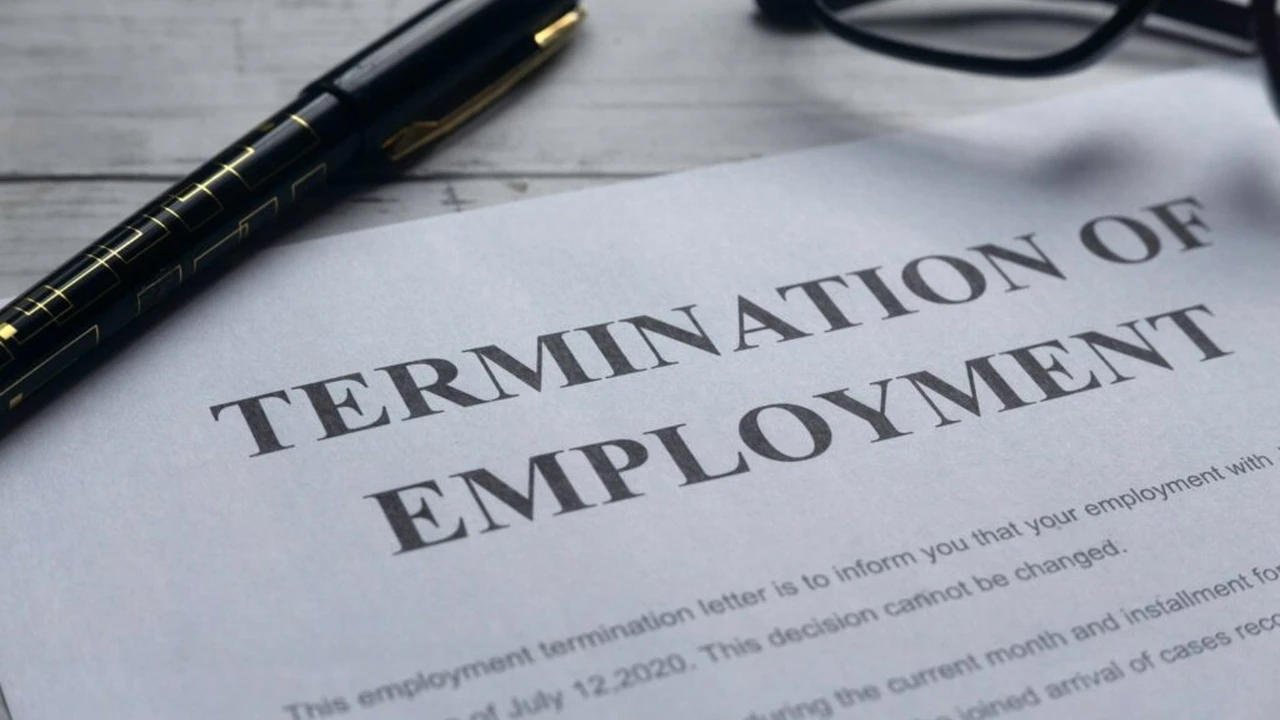
3 Key Things to Know About Termination of Employment
Essential information and legal considerations regarding job termination and severance. Navigating the complexities of employment termination can be daunting, whether you're an employee or an employer. This guide provides crucial insights into your rights, obligations, and best practices to ensure a fair and legally compliant process.
Understanding At Will Employment vs Contractual Employment
One of the most fundamental distinctions in employment law, particularly in the United States, is the difference between 'at-will' employment and employment governed by a contract. This distinction significantly impacts the ease with which an employer can terminate an employee and the employee's recourse.
What is At Will Employment
In the United States, the vast majority of employment relationships are considered 'at-will.' This means that an employer can terminate an employee for any reason, or no reason at all, as long as it's not an illegal reason. Similarly, an employee can leave their job at any time, for any reason, without notice. This principle offers significant flexibility to both parties but can leave employees feeling vulnerable.
Illegal reasons for termination typically involve discrimination based on protected characteristics (like race, gender, religion, age, disability, national origin) or retaliation for engaging in protected activities (like whistleblowing, filing a workers' compensation claim, or reporting harassment). While at-will employment is the default, some states have carved out exceptions, such as the 'public policy' exception, which prevents termination if it violates a well-established public policy (e.g., firing someone for refusing to commit perjury).
What is Contractual Employment
Conversely, contractual employment exists when there is a formal agreement, either written or implied, that specifies the terms and conditions of employment, including the duration of employment and the grounds for termination. These contracts can be individual employment agreements, collective bargaining agreements (unions), or even implied contracts arising from employee handbooks or consistent employer practices.
If an employee is terminated in violation of their employment contract, they may have grounds for a 'breach of contract' lawsuit. This means the employer must have a 'just cause' or 'good cause' for termination, as defined in the contract. Examples of just cause often include serious misconduct, poor performance after warnings, or violation of company policies. The burden of proof for just cause typically rests with the employer.
Comparing At Will and Contractual Employment Implications
The implications of these two types of employment are profound. For at-will employees, the focus shifts to proving an illegal reason for termination if they wish to challenge it. For contractual employees, the focus is on whether the employer adhered to the terms of the contract regarding termination. Understanding which category you fall into is the first critical step in any termination scenario.
Understanding Severance Packages and Your Rights
Severance packages are often a point of contention and confusion during employment termination. While not always legally mandated, they can provide crucial financial support during a transition period. Knowing your rights and what to expect can make a significant difference.
What is a Severance Package
A severance package is typically a combination of pay and benefits offered to an employee upon termination of employment. It's often provided in exchange for a release of claims, meaning the employee agrees not to sue the employer for issues related to their employment or termination. Severance can include:
- Severance Pay: A lump sum or continued salary payments for a specified period. This is often calculated based on years of service.
- Continued Benefits: Health insurance, dental, vision, and other benefits for a certain duration.
- Outplacement Services: Assistance with resume writing, job searching, and career counseling.
- Accrued Vacation/Sick Pay: Payment for unused paid time off, as required by state law or company policy.
- Stock Options/Bonuses: Treatment of unvested stock options or pending bonuses.
When Are Severance Packages Offered
Severance packages are generally not legally required in the United States, except in specific circumstances like mass layoffs under the WARN Act (Worker Adjustment and Retraining Notification Act), which requires employers to provide 60 days' notice of plant closings or mass layoffs. However, many companies offer severance for several reasons:
- Risk Mitigation: To obtain a release of claims from the employee, reducing the likelihood of a lawsuit.
- Goodwill: To maintain a positive reputation, especially during layoffs.
- Company Policy: Some companies have established severance policies.
- Negotiation: Employees, especially those with strong performance records or in senior roles, can sometimes negotiate severance.
Negotiating Your Severance Package
If you are offered a severance package, remember that it's often negotiable. Here are some tips:
- Review Carefully: Read the entire severance agreement thoroughly. Pay attention to the release of claims, non-compete clauses, and non-disparagement clauses.
- Seek Legal Counsel: It's highly advisable to have an employment lawyer review the agreement. They can identify unfavorable terms, assess the fairness of the offer, and help you negotiate.
- Consider Your Leverage: Do you have a potential claim against the employer (e.g., discrimination, retaliation)? Is the company trying to avoid bad publicity? These factors can increase your negotiating power.
- Ask for More: Don't be afraid to ask for more severance pay, extended benefits, or additional outplacement services. The worst they can say is no.
- Understand the Timeline: You typically have a limited time to review and sign a severance agreement (often 21 or 45 days, with a 7-day revocation period for employees over 40 under the OWBPA).
In Southeast Asian countries, severance pay regulations vary significantly. For example, in Singapore, severance is not legally mandated unless specified in an employment contract or collective agreement, though it's common practice for retrenchment. In the Philippines, employees are generally entitled to severance pay in cases of authorized causes for termination (e.g., redundancy, closure of establishment), with specific calculations based on years of service. Thailand also has statutory severance pay based on length of service. Always consult local labor laws or an employment lawyer in the specific country.
Understanding Wrongful Termination and Legal Recourse
Even in at-will employment states, there are circumstances where a termination can be deemed 'wrongful.' Understanding what constitutes wrongful termination and the available legal recourse is crucial for employees who believe they have been unfairly dismissed.
What is Wrongful Termination
Wrongful termination occurs when an employee is fired for an illegal reason or in violation of an employment contract or public policy. It's important to distinguish between an unfair termination (which might be legal) and a wrongful termination (which is illegal). Common grounds for wrongful termination claims include:
- Discrimination: Termination based on protected characteristics such as race, color, religion, sex (including pregnancy, sexual orientation, and gender identity), national origin, age (40 or older), disability, or genetic information.
- Retaliation: Firing an employee for engaging in legally protected activities, such as reporting workplace harassment, whistleblowing about illegal activities, filing a workers' compensation claim, or taking FMLA leave.
- Breach of Contract: Terminating an employee in violation of the terms of an express or implied employment contract.
- Violation of Public Policy: Firing an employee for refusing to commit an illegal act, exercising a legal right (like voting), or reporting a violation of law.
- Constructive Discharge: This occurs when an employer makes working conditions so intolerable that a reasonable person would feel compelled to resign. Although the employee technically resigns, it's treated as a termination for legal purposes.
Steps to Take if You Suspect Wrongful Termination
If you believe you have been wrongfully terminated, here are critical steps to consider:
- Document Everything: Keep detailed records of all communications, performance reviews, disciplinary actions, and any incidents that you believe are related to your termination. Save emails, texts, and any relevant documents.
- Review Your Employment Documents: Gather your employment contract, employee handbook, performance reviews, and any other documents that outline company policies or your terms of employment.
- Do Not Sign Anything Immediately: Especially if you are offered a severance agreement, do not sign it without careful review and, ideally, legal counsel. Signing a release of claims can waive your right to sue.
- Consult an Employment Lawyer: This is perhaps the most important step. An experienced employment lawyer can assess the merits of your case, explain your rights, and guide you through the legal process. They can help you understand the specific laws in your jurisdiction (US state laws or specific Southeast Asian country laws).
- File a Complaint with the Appropriate Agency: Depending on the nature of the wrongful termination, you may need to file a complaint with a government agency. In the US, this could be the Equal Employment Opportunity Commission (EEOC) for discrimination claims, or a state-level fair employment practice agency. These agencies often have strict deadlines for filing. In Southeast Asia, similar labor departments or tribunals exist (e.g., Ministry of Manpower in Singapore, Department of Labor and Employment in the Philippines).
Potential Remedies for Wrongful Termination
If a wrongful termination claim is successful, an employee may be entitled to various remedies, which can include:
- Reinstatement: Being returned to your former position.
- Back Pay: Compensation for lost wages and benefits from the date of termination to the date of judgment.
- Front Pay: Compensation for future lost wages if reinstatement is not feasible.
- Compensatory Damages: For emotional distress, reputational harm, and other non-economic losses.
- Punitive Damages: In cases of egregious employer conduct, designed to punish the employer and deter similar actions.
- Attorney's Fees and Costs: Often, the employer may be required to pay the employee's legal fees.
The specific remedies available will depend on the jurisdiction and the nature of the wrongful termination claim. Navigating these legal waters can be complex, so professional legal advice is invaluable.
Practical Tools and Resources for Employment Termination
Whether you're an employee facing termination or an employer managing the process, several tools and resources can help ensure compliance and fairness. While I can't recommend specific legal services, I can highlight types of resources and tools that are widely available and beneficial.
Online Legal Information Platforms for Employment Law
These platforms offer general information, articles, and sometimes even templates related to employment law. They are great starting points for understanding basic concepts but should not replace legal advice.
- Nolo.com: A well-known resource for legal information, Nolo offers extensive articles on employment law, wrongful termination, severance, and employee rights in the US. They often provide state-specific information.
- FindLaw.com: Similar to Nolo, FindLaw provides a vast library of legal articles, including sections dedicated to employment and labor law. It's useful for understanding legal definitions and common scenarios.
- LegalZoom.com: While primarily known for document creation, LegalZoom also has a robust legal library that covers various employment law topics. They sometimes offer access to attorneys for consultations.
- Government Labor Department Websites: For the US, the Department of Labor (DOL) website and state labor department websites are authoritative sources for federal and state-specific labor laws, including information on wages, hours, and worker protections. For Southeast Asia, look for the Ministry of Manpower (Singapore), Department of Labor and Employment (Philippines), Ministry of Labour (Thailand), etc.
HR Software for Managing Employee Exits
For employers, HR software can streamline the termination process, ensuring compliance and proper documentation. These tools help manage paperwork, track severance calculations, and ensure all legal requirements are met.
- Workday: A comprehensive cloud-based HR and financial management software. Workday offers modules for talent management, including offboarding processes that can be configured to ensure compliance with termination procedures and severance calculations. It's a high-end solution suitable for larger enterprises. Typical pricing: Enterprise-level, custom quotes, can be hundreds of thousands to millions annually depending on modules and employee count.
- BambooHR: A popular HR software for small to medium-sized businesses (SMBs). BambooHR includes features for employee data management, offboarding checklists, and document storage, which can be crucial for maintaining records related to terminations. Typical pricing: Starts around $99/month for basic features, scales with employee count.
- Gusto: Primarily known for payroll, Gusto also offers HR features that can assist with employee offboarding, including managing final paychecks, benefits termination, and compliance documents. It's particularly good for small businesses. Typical pricing: Starts around $39/month plus $6/employee/month.
- ADP Workforce Now: A robust HR platform offering payroll, benefits, talent, and time management. ADP provides comprehensive tools for managing the entire employee lifecycle, including compliant termination processes and record-keeping. Suitable for SMBs to large enterprises. Typical pricing: Custom quotes, generally starts around $50-$100/month plus per-employee fees.
Legal Document Templates and Checklists
While not a substitute for legal advice, well-crafted templates and checklists can help both employees and employers ensure they cover all necessary steps.
- Termination Letter Templates: Websites like Rocket Lawyer or eForms offer templates for termination letters, which can be customized to include specific reasons for termination, effective dates, and information about final pay and benefits. Typical pricing: Subscription-based for Rocket Lawyer (around $39.99/month), eForms offers free and paid templates.
- Severance Agreement Checklists: Many employment law firms or HR consulting websites provide free checklists that outline key provisions to look for in a severance agreement, helping employees ensure they don't miss critical details.
- Offboarding Checklists for Employers: HR resources often provide comprehensive checklists for employers to ensure all administrative, legal, and IT steps are completed during an employee's departure, minimizing risks.
Remember, the legal landscape surrounding employment termination is constantly evolving and varies significantly by jurisdiction. Always prioritize seeking advice from qualified legal professionals for specific situations. These tools and resources are designed to support, not replace, expert legal guidance.
:max_bytes(150000):strip_icc()/277019-baked-pork-chops-with-cream-of-mushroom-soup-DDMFS-beauty-4x3-BG-7505-5762b731cf30447d9cbbbbbf387beafa.jpg)