Best Practices for Communicating with Your Landlord
Effective communication strategies to maintain a good relationship with your landlord.
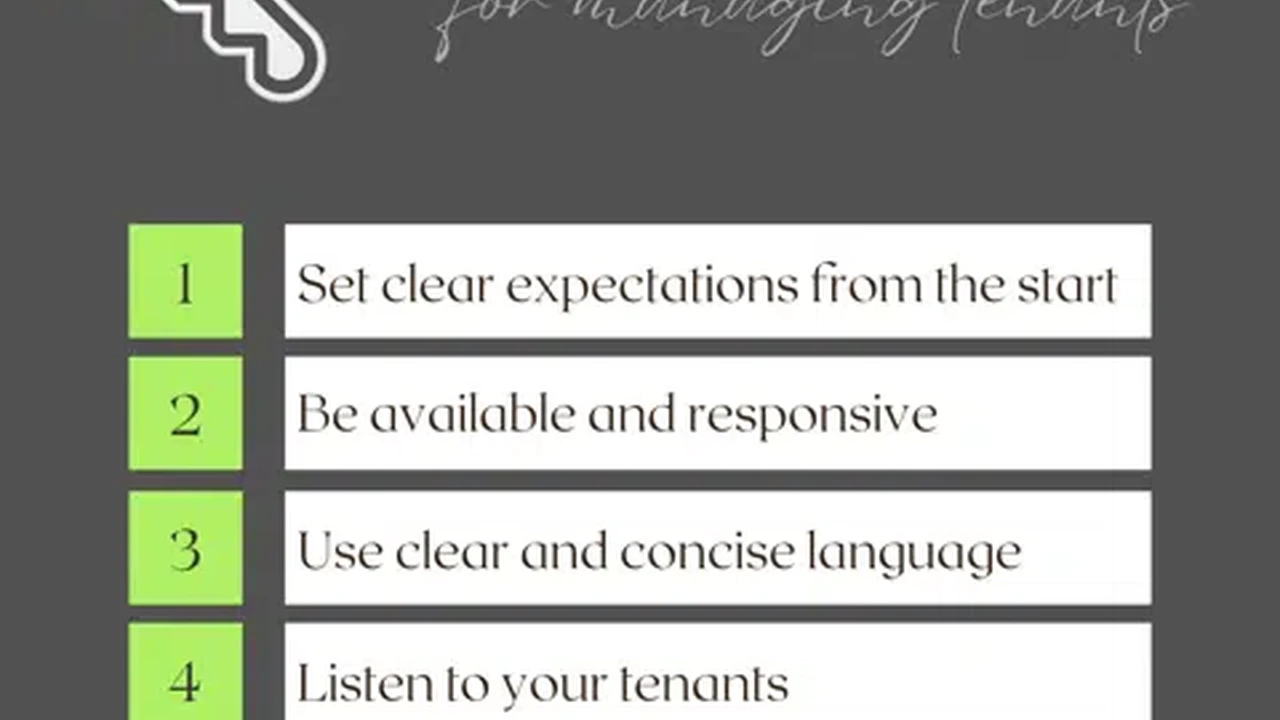
Effective communication strategies to maintain a good relationship with your landlord.
Best Practices for Communicating with Your Landlord
Hey there, renters! Let's talk about something super important but often overlooked: how you talk to your landlord. Whether you're living in a bustling city in the US or a vibrant neighborhood in Southeast Asia, having a good relationship with your landlord can make your renting experience so much smoother. It's not just about being polite; it's about setting clear expectations, resolving issues quickly, and potentially even getting better terms when it's time to renew your lease. Think of it as building a professional, yet friendly, partnership. After all, you both want the same thing: a well-maintained property and a hassle-free tenancy.
So, how do you achieve this communication nirvana? It's not rocket science, but it does require a bit of thought and consistency. We're going to dive deep into the best practices, from choosing the right communication channels to handling tricky situations. We'll even look at some tools that can help you keep everything organized. Let's get started!
Choosing the Right Communication Channel Landlord Communication Methods
First things first: how should you actually talk to your landlord? In today's digital age, there are tons of options, but not all of them are created equal for every situation. The key is to understand what works best for both of you and, crucially, what creates a clear record.
Email for Non-Urgent Matters and Documentation
Email is your best friend for almost everything non-urgent. Why? Because it creates a written record. This is invaluable if there's ever a dispute about dates, requests, or agreements. Need to report a leaky faucet that's not an emergency? Email. Want to ask about renewing your lease? Email. Confirming a repair schedule? You guessed it, email.
When emailing, always be clear and concise. Use a descriptive subject line (e.g., 'Maintenance Request Apartment 4B Leaky Faucet'). Include all necessary details, like your address, apartment number, and a brief description of the issue. Attach photos or videos if they help explain the problem. And always, always, keep a copy of these emails.
Text Messages for Quick Updates and Confirmations
Text messages are great for quick, informal updates or confirmations. Think 'Running 10 minutes late for the viewing' or 'Repair person arrived.' They're less formal than email but still provide a written trail. However, avoid using texts for complex issues or anything that requires a detailed explanation or formal agreement. It's easy for important details to get lost in a text conversation.
Phone Calls for Urgent Issues and Personal Touch
When something needs immediate attention – like a burst pipe, no heat in winter, or a security issue – a phone call is usually the fastest way to get a response. Follow up urgent phone calls with an email summarizing what was discussed and agreed upon. This combines the speed of a call with the documentation of an email.
Phone calls are also good for building rapport. Sometimes, a quick chat can resolve misunderstandings faster than a back-and-forth email chain. Just remember to keep it professional.
In-Person Meetings for Serious Discussions and Lease Signings
For very serious discussions, like lease negotiations, move-in/move-out inspections, or addressing significant disputes, an in-person meeting can be beneficial. It allows for direct conversation and reading body language. Again, always follow up with a written summary of what was discussed and agreed upon, signed by both parties if possible.
The Golden Rules of Landlord Communication Effective Tenant Landlord Dialogue
Now that we know the 'how,' let's talk about the 'what' and 'when.' These golden rules will help you navigate almost any communication scenario with your landlord.
Be Prompt and Proactive Tenant Responsibilities
Don't wait for a small issue to become a big problem. If you notice a minor leak, report it immediately. If you're going to be late with rent (which you should try to avoid at all costs!), let your landlord know as soon as possible, explaining the situation and when they can expect payment. Proactivity shows responsibility and can prevent minor issues from escalating into major conflicts.
Be Clear and Concise Clarity in Communication
When you communicate, get straight to the point. Landlords are busy people. Clearly state the issue, what you've observed, and what you're requesting. Avoid emotional language or lengthy narratives. Stick to the facts.
Be Respectful and Professional Professional Tenant Conduct
Even if you're frustrated, always maintain a respectful and professional tone. Yelling, sending aggressive emails, or making demands will only make your landlord less willing to help. Remember, you're trying to build a good working relationship, not start a fight.
Document Everything Record Keeping for Tenants
This cannot be stressed enough. Keep a record of every communication: emails, texts, and summaries of phone calls or in-person meetings. Note the date, time, who you spoke with, and what was discussed. This paper trail is your best defense if a dispute arises. You can use a simple notebook, a dedicated email folder, or even a digital app for this.
Understand Your Lease Agreement Lease Terms and Communication
Your lease is your contract. Before you communicate about anything, refer back to your lease. It often outlines communication protocols, maintenance responsibilities, and notice periods. Knowing what your lease says will empower you and ensure your requests are in line with your agreement.
Respect Their Time and Privacy Landlord Boundaries
Just as you expect your landlord to respect your privacy, you should respect theirs. Avoid calling them at odd hours unless it's a genuine emergency. Try to consolidate non-urgent questions or requests into a single email rather than sending multiple messages.
Handling Common Communication Scenarios Tenant Landlord Problem Solving
Let's look at some specific situations and how to apply these best practices.
Maintenance Requests Efficient Maintenance Reporting
This is probably the most common reason you'll communicate with your landlord. When reporting a maintenance issue:
- Identify the problem clearly: 'The kitchen sink is leaking' is better than 'Something's wrong with the sink.'
- Describe the severity: Is it a drip or a flood?
- Suggest access: 'I'll be home on Tuesday afternoon' or 'You can use the spare key if I'm not around.'
- Attach photos/videos: A picture is worth a thousand words, especially for repairs.
- Follow up: If you don't hear back within a reasonable timeframe (check your lease for specifics, but 24-48 hours for non-emergencies is typical), send a polite follow-up email.
Rent Payment Issues Late Rent Communication
Life happens, and sometimes rent might be late. If this occurs:
- Communicate immediately: As soon as you know you'll be late, inform your landlord.
- Explain briefly: You don't need to overshare, but a brief, honest explanation can help.
- Provide a new payment date: Give a firm date when you expect to pay.
- Be prepared for late fees: Acknowledge that you understand late fees may apply as per your lease.
Lease Renewal or Termination Lease Negotiation Tips
When your lease is nearing its end, communication is crucial:
- Know your notice period: Your lease will specify how much notice you need to give if you plan to move out or if you want to renew.
- Initiate contact early: Don't wait until the last minute. Start the conversation about renewal or moving out well in advance.
- Be clear about your intentions: 'I'd like to renew for another year' or 'I plan to move out on [date].'
- Negotiate respectfully: If you want to negotiate rent or terms, do so politely and be prepared to justify your requests.
Neighbor Disputes Resolving Tenant Conflicts
Sometimes, issues arise with neighbors. If it's something your landlord can help with (e.g., a neighbor violating lease terms like excessive noise or pet rules):
- Try to resolve it amicably first: If it's a minor issue, a polite conversation with your neighbor might be enough.
- Document incidents: If you need to involve your landlord, provide specific dates, times, and descriptions of the disturbances.
- Focus on lease violations: Frame your complaint in terms of how the neighbor is violating their lease, rather than just personal annoyance.
Tools and Apps for Better Landlord Communication Digital Communication Aids
In an increasingly digital world, several tools can help streamline your communication and record-keeping. While your landlord might use their own system, these can help you stay organized on your end.
Dedicated Communication Platforms Property Management Software
Many landlords and property managers use dedicated platforms like AppFolio, Buildium, or Propertyware (more common in the US) or local equivalents in Southeast Asia like PropertyGuru (Singapore/Malaysia) or Lamudi (Philippines/Indonesia) which often have tenant portals. These portals are fantastic because they centralize everything: rent payments, maintenance requests, lease documents, and communication. If your landlord uses one, embrace it! It's designed to make communication efficient and documented.
- AppFolio: A comprehensive property management software widely used in the US. Tenants often get access to a portal where they can pay rent, submit maintenance requests, and communicate directly with their property manager. It's great for keeping a clear record of all interactions.
- Buildium: Similar to AppFolio, Buildium offers a tenant portal for online payments, maintenance requests, and communication. It's known for its user-friendly interface.
- Propertyware: Geared towards single-family and low-density portfolios, Propertyware also provides tenant portals for streamlined communication and service requests.
- PropertyGuru (Singapore/Malaysia): While primarily a listing portal, some property managers and landlords in Southeast Asia use its integrated tools for communication and managing tenancies. It's less about a dedicated tenant portal and more about direct messaging features within the platform.
- Lamudi (Philippines/Indonesia): Similar to PropertyGuru, Lamudi is a popular real estate portal that facilitates communication between tenants and landlords, though it might not offer the same level of integrated property management features as US-based platforms.
Usage Scenario: Your toilet is running constantly. Instead of an email, you log into your landlord's AppFolio tenant portal, navigate to 'Maintenance Request,' fill out the form, attach a quick video of the running water, and hit submit. You immediately get a confirmation, and all communication about the repair is logged within the system.
Email Clients with Strong Archiving Features Email Management for Tenants
If your landlord prefers email, make sure you're using an email client that allows for easy archiving and searching. Gmail, Outlook, and Apple Mail are all excellent choices. Create a dedicated folder for your landlord's communications. This makes it easy to find past conversations if you ever need to refer back to them.
- Gmail: Free, widely used, and excellent search capabilities. You can easily create labels or folders for landlord communications.
- Outlook: Part of the Microsoft Office suite, offering robust email management, calendar integration, and archiving features.
- Apple Mail: Integrated into Apple devices, providing a clean interface and good organization tools.
Usage Scenario: You want to confirm the exact date you reported a flickering light. You go to your 'Landlord' folder in Gmail, type 'flickering light' in the search bar, and instantly find the email you sent three months ago, complete with the date and time.
Note-Taking Apps for Call Summaries Digital Note Taking
For phone calls or in-person meetings, a good note-taking app can be invaluable. Evernote, OneNote, or even your phone's built-in notes app can work wonders. Immediately after a conversation, jot down the date, time, who you spoke with, and the key points discussed and agreed upon. This helps you create that crucial written record even for verbal communications.
- Evernote: A powerful note-taking app that allows you to organize notes into notebooks, add tags, and search easily. You can even attach photos or voice memos.
- OneNote: Microsoft's digital notebook, offering a free-form canvas for notes, drawings, and web clippings. Great for organizing information visually.
- Google Keep: Simple, cloud-based note-taking for quick notes, lists, and reminders. Integrates well with other Google services.
Usage Scenario: You just had a phone call with your landlord about a pest control issue. Immediately after hanging up, you open Google Keep, create a new note titled 'Pest Control Call 2024-10-26,' and quickly type: 'Spoke with [Landlord's Name] at 2:15 PM. Agreed to send pest control on Nov 1st between 9 AM and 12 PM. Will confirm via email.' This ensures you don't forget any details.
Messaging Apps with History Retention Secure Messaging for Tenants
If your landlord prefers messaging apps like WhatsApp (very popular in Southeast Asia) or Telegram, ensure you understand how to back up your chat history. While less formal, these apps can still provide a useful record if you maintain them properly. Always be mindful of what you discuss on these platforms; complex or sensitive issues are still better handled via email or a formal portal.
- WhatsApp: Widely used globally, including Southeast Asia. Offers end-to-end encryption and chat backup features.
- Telegram: Another popular messaging app known for its security features and ability to handle large files.
Usage Scenario: Your landlord texts you via WhatsApp to confirm the repair person's arrival time. You can quickly respond and then ensure your WhatsApp chat history is backed up regularly, so that confirmation is saved.
Building a Positive Landlord Relationship Tenant Landlord Harmony
Beyond just problem-solving, good communication is about building a positive relationship. Here's how to foster that harmony:
Pay Rent On Time Financial Responsibility
This is the absolute foundation. Paying your rent consistently and on time shows reliability and respect. It immediately puts you in your landlord's good graces.
Keep the Property Well Maintained Tenant Care for Property
Treat the property as if it were your own. Keep it clean, report issues promptly, and don't cause unnecessary damage. A landlord appreciates a tenant who takes care of their investment.
Be Reasonable and Flexible Tenant Flexibility
Sometimes, things don't go exactly as planned. A repair might take longer, or a viewing might need to be rescheduled. Be understanding and flexible when reasonable. Your landlord will likely reciprocate when you need a bit of leeway.
Provide Constructive Feedback Tenant Feedback
If you have suggestions for improvements or notice something that could be done better, offer constructive feedback politely. Frame it as a way to enhance the property or the living experience, rather than a complaint.
Respect Privacy and Notice Requirements Landlord Entry Rules
Always allow your landlord reasonable access to the property for repairs, inspections, or showings, provided they give you proper notice as outlined in your lease and local laws. Denying access without good reason can strain the relationship.
Ultimately, communicating effectively with your landlord is about being proactive, clear, respectful, and documented. It's about understanding your rights and responsibilities, and using the right tools for the job. By following these best practices, you're not just avoiding potential headaches; you're creating a more pleasant and stable living situation for yourself, whether you're renting in the bustling streets of New York or the serene landscapes of Bali. Happy renting!
:max_bytes(150000):strip_icc()/277019-baked-pork-chops-with-cream-of-mushroom-soup-DDMFS-beauty-4x3-BG-7505-5762b731cf30447d9cbbbbbf387beafa.jpg)